Introduction to Gothic Literature: Unveiling the Shadows of the Human Experience
Gothic literature, a genre born out of the tumultuous 18th century, has been a staple of literary expression, weaving a complex tapestry of horror, decay, and the unknown. Emerging as a response to the Enlightenment's emphasis on reason and rationality, Gothic fiction delved into the darker aspects of human nature, often blurring the lines between reality and the supernatural. This genre, characterized by its use of atmospheric settings, eerie landscapes, and an array of paranormal elements, has captivated readers for centuries, inviting them to immerse themselves in a world of mystery and terror.
Key Points:
The rise of the novel as a literary form in the 18th century also played a significant role in the development of Gothic literature.
These settings, often depicted as old, ruined, and mysterious, contribute to the sense of foreboding and dread that pervades the story.
As a genre, it continues to evolve, influencing contemporary literature, film, and art, and remaining a vital part of our cultural heritage.
Medieval romance, with its emphasis on chivalry, honor, and the struggle between good and evil, laid the groundwork for the Gothic genre.
This blend of medieval elements with the emerging novel form created a unique narrative style, characterized by a sense of foreboding and tension.
Gothic Literature is a unique and fascinating genre that combines elements of horror, romance, and mystery, creating a sense of atmosphere and tension that draws readers in and refuses to let go, with its roots in 18th-century England and its influence on modern media
Read more →
Gothic Literature is a unique and fascinating genre that has evolved over time, influencing countless authors, artists, and creators with its eerie landscapes, supernatural creatures, and psychological insights, making it a staple of modern entertainment, from classic novels like Frankenstein and Dracula to contemporary films and series
Read more →
Gothic Literature is a genre that weaves together elements of horror, mystery, and romance, set against dark, atmospheric backdrops, exploring the human psyche's deepest fears and desires, making it unique and captivating, with its ability to evoke emotions and challenge societal norms, it has become a staple in literary history, continuing to inspire new works and adaptations
Read more →
Historically, the Gothic genre found its roots in the late 18th century, with Ann Radcliffe's The Mysteries of Udolpho (1794) and Matthew Lewis's The Monk (1796) standing as seminal works. These novels, with their intricate plots, mysterious settings, and themes of horror and suspense, laid the groundwork for a genre that would evolve over time, incorporating various elements and motifs. The Gothic genre's growth was also influenced by the cultural and social upheavals of the time, including the French Revolution and the Industrial Revolution, which brought about significant changes in the societal landscape, fuelling anxieties and fears that found expression in literature.
The Gothic novel, with its dark, ruined castles, abandoned monasteries, and haunted landscapes, serves as a metaphor for the human psyche, with all its fears, anxieties, and repressed desires, waiting to be unleashed.
At its core, Gothic literature is defined by its use of atmospheric settings, which play a crucial role in shaping the narrative and influencing the characters' experiences. These settings, often depicted as old, ruined, and mysterious, contribute to the sense of foreboding and dread that pervades the story. The supernatural elements, including ghosts, monsters, and other paranormal phenomena, add to the genre's sense of horror and uncertainty, leaving readers to ponder the nature of reality and the unknown. Key themes in Gothic literature include the decay of social and moral structures, the blurring of lines between good and evil, and the exploration of the human psyche, with all its complexities and contradictions.
The use of atmospheric settings, such as old castles, abandoned monasteries, and haunted landscapes, to create a sense of foreboding and dread.
The incorporation of supernatural elements, including ghosts, monsters, and other paranormal phenomena, to add to the sense of horror and uncertainty.
The exploration of themes, such as decay, horror, and the unknown, to provide insight into the human condition and the societal anxieties of the time.
Examples of Gothic literature's enduring influence can be seen in the works of authors such as Edgar Allan Poe, Bram Stoker, and Mary Shelley, who have all contributed to the genre's evolution and diversification. Poe's The Fall of the House of Usher (1839), with its crumbling mansion and decaying family, serves as a prime example of the Gothic genre's ability to explore the darker aspects of human nature. Similarly, Stoker's Dracula (1897) and Shelley's Frankenstein (1818) have become iconic representations of the genre, continuing to captivate readers with their eerie landscapes, supernatural elements, and themes of horror and the unknown.
Through its use of atmospheric settings, supernatural elements, and exploration of themes, Gothic literature offers a unique lens through which to examine the human experience, revealing the complexities and contradictions that define us. As a genre, it continues to evolve, influencing contemporary literature, film, and art, and remaining a vital part of our cultural heritage. As we delve into the world of Gothic literature, we find ourselves immersed in a realm of mystery, terror, and suspense, where the boundaries between reality and the unknown are constantly blurred, and the darkness that lies within is waiting to be unveiled.
The Origins of Gothic Literature: Unveiling the Historical Foundations
The Gothic literature genre has long been a subject of fascination, with its intricate web of mysterious landscapes, eerie atmospheres, and supernatural elements. However, to truly comprehend the essence of this genre, it is essential to delve into its historical beginnings, exploring the influences that shaped its development. The origins of Gothic literature are deeply rooted in the medieval romance, the rise of the novel as a literary form, and the profound impact of the Enlightenment and the Industrial Revolution.
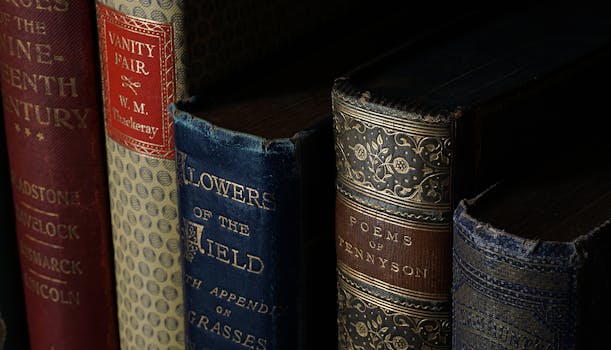
Photo by Suzy Hazelwood on Pexels
Medieval romance, with its emphasis on chivalry, honor, and the struggle between good and evil, laid the groundwork for the Gothic genre. The works of authors such as Sir Thomas Malory and Geoffrey Chaucer, with their fantastical and often supernatural elements, inspired later writers to explore the darker aspects of human experience. The influence of medieval romance can be seen in the early Gothic novels, such as The Castle of Otranto (1764) by Horace Walpole, which features a haunted castle, family secrets, and a sense of impending doom. This blend of medieval elements with the emerging novel form created a unique narrative style, characterized by a sense of foreboding and tension.
The rise of the novel as a literary form in the 18th century also played a significant role in the development of Gothic literature. As the novel gained popularity, authors began to experiment with new styles and themes, pushing the boundaries of what was considered acceptable in literature. The Gothic novel, with its focus on the emotional and psychological, offered a fresh perspective on the human experience, exploring the inner lives of characters and the darker aspects of human nature. The success of novels like The Mysteries of Udolpho (1794) by Ann Radcliffe and The Monk (1796) by Matthew Lewis demonstrates the growing appetite for Gothic fiction, which catered to the public's desire for thrilling and emotionally charged stories.
The Enlightenment and the Industrial Revolution had a profound impact on the development of Gothic literature, as they brought about significant changes in the social, economic, and philosophical landscape of Europe. The emphasis on reason and rationality during the Enlightenment led to a growing sense of disillusionment with the established order, creating an atmosphere of uncertainty and anxiety. The Industrial Revolution, with its rapid urbanization and technological advancements, further exacerbated this sense of unease, as people struggled to adapt to the changing world. Gothic literature, with its exploration of the irrational and the unknown, offered a way to express and process these fears, providing a safe outlet for the anxieties and concerns of the time.
The Gothic genre, in its early stages, was a response to the societal and philosophical upheavals of the 18th century, reflecting the fears and anxieties of a world in transformation. As the genre evolved, it continued to adapt to the changing cultural and historical context, incorporating new themes and elements while maintaining its core focus on the emotional and psychological.
Some of the key features of Gothic literature, such as the use of atmospheric settings, the emphasis on emotion and psychological insight, and the exploration of the supernatural and the unknown, can be seen as a direct response to the historical context in which the genre emerged. The following elements, in particular, are characteristic of the Gothic genre:
The use of medieval or ancient settings, often featuring ruined castles, monasteries, or other atmospheric locations
The emphasis on emotion and psychological insight, with a focus on the inner lives and experiences of characters
The exploration of the supernatural and the unknown, including elements of horror, the grotesque, and the bizarre
The use of symbolism and metaphor to convey complex themes and ideas, such as the struggle between good and evil, the power of nature, and the dangers of unchecked ambition
In conclusion, the origins of Gothic literature are complex and multifaceted, reflecting the cultural, historical, and philosophical context in which the genre emerged. By examining the influence of medieval romance, the rise of the novel as a literary form, and the impact of the Enlightenment and the Industrial Revolution, we can gain a deeper understanding of the genre's development and its continued relevance in modern times. As a literary genre, Gothic fiction continues to captivate audiences, offering a unique blend of suspense, horror, and emotional insight that speaks to our deepest fears and anxieties.
Gothic literature is a genre that has captivated readers for centuries with its unique blend of atmospheric settings, supernatural elements, and exploration of the human psyche. At its core, Gothic literature is defined by its use of eerie and foreboding environments, often in the form of old castles, abandoned monasteries, and haunted mansions, which serve as a backdrop for the unfolding of mysterious and terrifying events. In this section, we will delve into the key elements that define Gothic literature, including the use of atmospheric settings, the presence of supernatural elements, and the ways in which these elements are used to explore the human condition.
One of the most distinctive features of Gothic literature is its use of atmospheric settings. These settings are often characterized by their isolation, decay, and sense of foreboding, and are used to create a sense of tension and unease in the reader. For example, in Emily Brontë's Wuthering Heights, the Yorkshire moors are portrayed as a wild and unforgiving environment, with the old mansion of Wuthering Heights standing as a symbol of the dark and troubled history of the families who live there. Similarly, in Edgar Allan Poe's The Fall of the House of Usher, the crumbling mansion of the Usher family is depicted as a place of darkness and decay, with its labyrinthine corridors and hidden rooms seeming to shift and change like a living thing.
The Gothic setting is not just a backdrop for the action, but an active participant in the story, exerting a malign influence on the characters and shaping their thoughts and feelings. As the character of Lockwood in Wuthering Heights observes, "the landscape was so bleak and so sombre that it seemed to weigh upon my spirits."
The use of supernatural elements is another key feature of Gothic literature. These elements can take many forms, including ghosts, vampires, monsters, and other paranormal entities. In some cases, these elements are used to explain the mysterious events that occur in the story, while in others, they are left unexplained, leaving the reader to draw their own conclusions. For example, in Bram Stoker's Dracula, the vampire Count Dracula is a supernatural entity who preys on the living, using his powers of hypnosis and transformation to bend them to his will. In contrast, the ghostly apparitions that appear in Wuthering Heights are left unexplained, adding to the sense of mystery and uncertainty that pervades the novel.
Vampires: These creatures of the night are often used to represent the fear of death and the unknown. In Dracula, for example, the vampire Count Dracula is a symbol of the corrupting influence of desire and the dangers of unchecked passion.
Ghosts: Ghosts are often used to represent the past, and the ways in which it can continue to exert a malign influence on the present. In Wuthering Heights, for example, the ghost of Catherine Earnshaw is a symbol of the enduring power of love and the destructive nature of unchecked emotions.
Monsters: Monsters are often used to represent the fear of the unknown, and the dangers that lurk in the shadows. In Frankenstein, for example, the monster created by Victor Frankenstein is a symbol of the dangers of unchecked ambition and the consequences of playing God.
In addition to its use of atmospheric settings and supernatural elements, Gothic literature is also characterized by its exploration of the human psyche. The genre often explores themes such as love, death, and the nature of evil, and frequently features characters who are struggling to come to terms with their own dark impulses and desires. For example, in Wuthering Heights, the character of Heathcliff is a classic example of the Byronic hero, with his brooding nature and tendency towards violence and revenge. Similarly, in Dracula, the character of Count Dracula is a symbol of the corrupting influence of desire, and the ways in which it can lead individuals down a path of destruction and chaos.
Overall, the key elements of Gothic literature, including its use of atmospheric settings, supernatural elements, and exploration of the human psyche, have made it a genre that continues to captivate readers to this day. Whether it is the eerie landscapes of Wuthering Heights, the supernatural horrors of Dracula, or the psychological insights of Frankenstein, Gothic literature offers a unique and compelling perspective on the human condition, and the ways in which we are all haunted by our own dark impulses and desires.
Gothic literature, a genre that emerged in the 18th century, has been a cornerstone of literary exploration, delving into the darker aspects of human nature and the supernatural. This genre has given birth to some of the most iconic and enduring works of literature, shaping the way we perceive fear, horror, and the unknown. At the forefront of this movement are authors whose works not only defined the Gothic genre but continue to influence literary and cinematic endeavors to this day. This section delves into the notable examples of Gothic literature, including the works of Mary Shelley, Bram Stoker, Daphne du Maurier, Ann Radcliffe, Matthew Lewis, and Edgar Allan Poe, to explore the thematic and stylistic elements that make Gothic literature so compelling.
One of the most recognizable works within the Gothic genre is Mary Shelley's Frankenstein, published in 1818. This novel is often seen as the pioneering work of science fiction and Gothic horror, weaving a tale of creation, rejection, and the pursuit of knowledge. The monster, a creature so grotesque yet so human, serves as a symbol of the fear of the unknown and the dangers of unchecked ambition. Shelley's exploration of the human condition, through the lens of horror and tragedy, sets the stage for many of the themes that would become synonymous with Gothic literature. For instance, the novel's focus on the monster's isolation and its desire for companionship highlights the complexities of human nature, showcasing the dualities of good and evil, and the blurred lines between creator and creation.
In a similar vein, Bram Stoker's Dracula (1897) embodies the essence of Gothic horror, with its dark, atmospheric setting and the terrifying figure of Count Dracula. Stoker's masterpiece is not just a tale of vampires and bloodlust but a deeply layered exploration of Victorian society, touching upon themes of sexuality, death, and the fear of the "other." The character of Dracula, with his supernatural powers and his ability to infiltrate the highest echelons of society, represents the fear of invasion and the corruption of innocence. This fear is palpably captured in the novel's epistolary format, which adds to the sense of realism and immediacy, drawing the reader into the heart of the horror. As
Stoker himself noted, the vampire is a creature of the night, a monster that preys on the living, and yet, it is also a symbol of the repressed desires and fears of the human psyche
, underscoring the psychological complexity of his creation.
Daphne du Maurier's Rebecca (1938) offers a different perspective on the Gothic genre, focusing more on the psychological and atmospheric elements of horror rather than the supernatural. The novel tells the story of a young woman who marries a wealthy widower and returns to his mansion, only to find herself haunted by the memory of his late wife, Rebecca. This haunting is not of the ghostly kind but rather a psychological one, as the protagonist becomes obsessed with uncovering the truth about Rebecca and her marriage. Du Maurier's use of the Gothic mansion as a character in its own right, with its dark corridors and hidden rooms, creates a sense of claustrophobia and foreboding, highlighting the tensions between the past and the present. The novel's exploration of jealousy, love, and identity through the lens of Gothic fiction makes it a compelling addition to the genre.
Photo by www.kaboompics.com on Pexels
Other influential authors have also contributed significantly to the Gothic literature canon. Ann Radcliffe, often considered the founder of the Gothic novel, wrote works such as The Mysteries of Udolpho (1794) and The Italian (1797), which set the stage for the genre's focus on atmospheric settings, mysterious events, and the struggle between good and evil. Matthew Lewis's The Monk (1796) is another significant work, known for its explicit and often disturbing content, which explores the themes of corruption, desire, and the supernatural. Lewis's use of graphic horror and his critique of religious and social institutions make The Monk a landmark of Gothic literature, pushing the boundaries of what was considered acceptable in literature at the time.
Edgar Allan Poe, with his mastery of the short story and poetry, has left an indelible mark on the Gothic genre. Works such as "The Fall of the House of Usher" (1839), "The Tell-Tale Heart" (1843), and "The Raven" (1845) are quintessential examples of Gothic horror, exploring the realms of madness, death, and the human psyche. Poe's writing is characterized by its darkness, its musicality, and its ability to evoke a sense of inevitability and doom. His stories often feature isolated settings, unreliable narrators, and a blurring of the lines between reality and fantasy, creating a sense of disorientation and fear in the reader.
The influence of these authors and their works can be seen in many areas of popular culture, from film and literature to music and art. The Gothic genre, with its themes of horror, the supernatural, and the darker aspects of human nature, continues to captivate audiences, offering a window into the fears and anxieties of society. By examining the major works and authors within this genre, we can gain a deeper understanding of the literary, historical, and cultural contexts that shaped them, as well as the enduring appeal of Gothic literature.
The use of atmospheric settings, such as old mansions, castles, and abandoned landscapes, to create a sense of foreboding and fear.
The exploration of the human psyche, including themes of madness, desire, and the struggle between good and evil.
The presence of supernatural or paranormal elements, which serve to heighten the sense of horror and uncertainty.
The blurring of the lines between reality and fantasy, creating a sense of disorientation and confusion in the reader.
The critique of social and religious institutions, often through the use of satire or horror.
In conclusion, the works of Mary Shelley, Bram Stoker, Daphne du Maurier, Ann Radcliffe, Matthew Lewis, and Edgar Allan Poe represent some of the most significant contributions to the Gothic literature genre. Through their exploration of horror, the supernatural, and the human condition, these authors have helped to shape the literary landscape, influencing generations of writers and audiences alike. As we continue to explore the complexities and fears of human nature, the Gothic genre remains a powerful and enduring part of our cultural heritage, offering insights into the darker aspects of our psyche and the world around us.
Gothic literature, a genre born in the late 18th century, has undergone significant transformations over the centuries, adapting to changing societal values, cultural norms, and literary trends. From its origins in the works of Ann Radcliffe and Matthew Lewis to its modern-day manifestations in various forms of media, Gothic literature has proven to be a resilient and dynamic genre, influencing and intersecting with other genres, such as horror, science fiction, and fantasy. This evolution is a testament to the genre's ability to tap into the deepest fears and anxieties of human nature, making it a continued source of fascination for audiences and inspiration for writers.
One of the key factors contributing to the evolution of Gothic literature is its ability to respond to and reflect the societal concerns of its time. For example, during the Victorian era, Gothic literature often explored themes of social class, morality, and the role of women in society, as seen in the works of Bram Stoker and Mary Shelley. The Gothic novel's focus on the darker aspects of human nature and the supernatural allowed writers to critique the social conventions and hypocrisies of their time, providing a vehicle for social commentary and critique. As the 20th century progressed, Gothic literature continued to evolve, incorporating elements of psychological horror, existentialism, and postmodernism, as evident in the works of authors such as Shirley Jackson and Thomas Pynchon.
The Gothic genre's capacity for self-reinvention and adaptation has enabled it to maintain its relevance and popularity in modern times, with many contemporary writers drawing upon its rich tradition and tropes to create new and innovative works.
A significant aspect of Gothic literature's influence can be seen in its impact on other genres, such as horror, science fiction, and fantasy. The Gothic novel's emphasis on atmospheric tension, the supernatural, and the darker aspects of human nature has inspired countless writers and filmmakers, from H.P. Lovecraft to Stephen King, and from Alfred Hitchcock to Guillermo del Toro. The genre's influence can also be seen in the work of authors such as Neil Gaiman, whose novels often blend elements of Gothic horror, fantasy, and mythology to create unique and captivating narratives.
Some notable examples of Gothic literature's evolution and influence include:
The modern Gothic romance: This subgenre, exemplified by authors such as Daphne du Maurier and Rebecca, combines elements of Gothic horror with traditional romance narratives, creating a new type of heroine-centered fiction.
Gothic science fiction: This fusion of Gothic horror and science fiction elements can be seen in the works of authors such as China Miéville and Jeff VanderMeer, who explore the darker aspects of human nature and the consequences of scientific hubris.
Gothic fantasy: This subgenre, represented by authors such as Clive Barker and Caitlín R. Kiernan, combines elements of Gothic horror with fantasy and mythological themes, creating rich and immersive worlds that explore the human condition.
In conclusion, the evolution of Gothic literature over time is a testament to the genre's ability to adapt, transform, and influence other literary and cultural forms. As a genre, Gothic literature continues to captivate audiences and inspire writers, offering a unique lens through which to explore the complexities and mysteries of human nature. Its continued relevance and popularity in modern times demonstrate the enduring power of the Gothic imagination, which remains a vital and dynamic force in contemporary literature and popular culture.
Gothic literature, a genre that originated in the 18th century, has had a profound and lasting impact on contemporary media. The genre's exploration of the human psyche, its fascination with the darker aspects of life, and its use of symbolism and imagery have inspired countless works of fiction across various mediums, including film, television, and video games. The influence of Gothic literature can be seen in the way it has shaped the themes, motifs, and characters that appear in modern media, often in unexpected and innovative ways.
One of the primary ways in which Gothic literature has influenced modern media is through its use of atmospheric and suspenseful storytelling. The genre's emphasis on creating a sense of foreboding and unease has been particularly influential in the horror genre, with films such as The Shining (1980) and The Conjuring (2013) drawing heavily on Gothic tropes. Similarly, television shows like Stranger Things (2016) and Penny Dreadful (2014) have used Gothic elements to create a sense of unease and uncertainty, often blurring the lines between reality and the supernatural.
The Gothic genre's ability to tap into our deepest fears and anxieties has made it a staple of contemporary horror, with many modern works of fiction drawing on its rich tradition of symbolism and imagery.
In addition to its influence on film and television, Gothic literature has also had a significant impact on the video game industry. Games such as Resident Evil (1996) and Silent Hill (1999) have drawn on Gothic themes and motifs, using the genre's emphasis on atmospheric tension and suspense to create a sense of fear and unease in players. Other games, such as BioShock (2007) and Bloodborne (2015), have used Gothic elements to explore more complex and philosophical themes, such as the nature of morality and the human condition.
The Walking Dead (2010) comic book series and its subsequent television adaptation, which draws on Gothic themes of survival and redemption in a post-apocalyptic world.
Dark Souls (2011) video game series, which uses Gothic imagery and symbolism to explore the nature of mortality and the human condition.
The Haunting of Hill House (2018) television series, which draws on Gothic tropes of family trauma and psychological horror to explore the long-term effects of childhood trauma.
These examples demonstrate the enduring influence of Gothic literature on modern media, and highlight the genre's ability to adapt and evolve over time. As a genre, Gothic literature continues to inspire and influence new works of fiction, offering a unique lens through which to explore the human condition and our deepest fears and anxieties.
The Gothic literature genre has been a cornerstone of literary expression for centuries, and its lasting importance can be attributed to its uncanny ability to tap into universal human fears and anxieties. By exploring the darker aspects of human nature, Gothic writers have created a body of work that continues to resonate with readers today. The genre's ability to transcend time and societal boundaries is a testament to its profound insight into the human condition. As
Edgar Allan Poe
so aptly put it, "all that we see or seem is but a dream within a dream," highlighting the blurred lines between reality and the unknown that are characteristic of Gothic literature.
One of the primary reasons for the enduring significance of Gothic literature is its continued relevance to modern societal concerns. The genre's preoccupation with the nature of identity, for instance, is echoed in contemporary debates surrounding
artificial intelligence and its potential impact on human consciousness
the blurring of lines between human and machine
the commodification of personal data and the erosion of individual privacy
. Furthermore, the Gothic tradition's emphasis on the power of technology to shape and control human experience is reflected in our own era's anxieties about the influence of social media, surveillance capitalism, and environmental degradation. Works such as
Mary Shelley's Frankenstein
and
Bram Stoker's Dracula
serve as cautionary tales about the dangers of unchecked technological progress and the importance of responsible stewardship of the natural world.
In conclusion, the significance of Gothic literature extends far beyond its historical context, speaking to fundamental human fears and anxieties that continue to shape our world today. As a genre, it offers a unique lens through which to examine the complexities of human experience, from the fragility of individual identity to the precariousness of our relationship with the natural world. As such, it remains an essential part of our literary heritage, providing a powerful framework for exploring the darker aspects of human nature and the consequences of our actions.