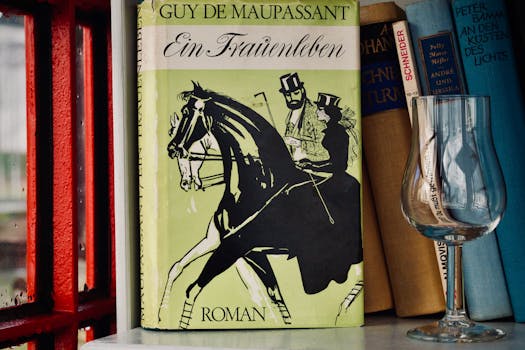
1.The influences on the Gothic genre were diverse and far-reaching, encompassing various literary, cultural, and historical factors. Some of the key influences include:
Introduction to Gothic Literature: Unveiling the Shadows of the Human Experience
Gothic literature, a genre that emerged in the late 18th century, has been a staple of literary fascination for centuries. Characterized by its dark, atmospheric, and often supernatural elements, Gothic fiction has captivated readers with its eerie and haunting narratives. At its core, Gothic literature is a reflection of the human psyche, delving into the deepest, darkest recesses of our collective consciousness. This genre has not only endured but continues to evolve, influencing various forms of media, from film to music, and shaping the way we perceive and interact with the world around us.
Key Points:
The historical context in which Gothic literature arose is crucial to understanding its significance.
Gothic Literature is a unique and fascinating genre that combines elements of horror, romance, and mystery, creating a sense of atmosphere and tension that draws readers in and refuses to let go, with its roots in 18th-century England and its influence on modern media
Read more →
Gothic Literature is a genre that weaves together elements of horror, mystery, and romance, set against dark, atmospheric backdrops, exploring the human psyche's deepest fears and desires, making it unique and captivating, with its ability to evoke emotions and challenge societal norms, it has become a staple in literary history, continuing to inspire new works and adaptations
Read more →
Gothic Literature is a unique and fascinating genre that has captivated readers for centuries with its dark, atmospheric, and often supernatural themes, exploring the human psyche and the complexities of life, death, and the unknown, as seen in iconic works like Frankenstein, Dracula, and Rebecca
Read more →
The historical context in which Gothic literature arose is crucial to understanding its significance. The late 18th century was a time of great social, cultural, and philosophical upheaval. The Enlightenment's emphasis on reason and rationality was being challenged by the rise of Romanticism, which celebrated the power of emotion, imagination, and individualism. It was within this intellectual and artistic landscape that authors like Ann Radcliffe, Matthew Lewis, and Mary Shelley began to explore the darker aspects of human nature, crafting stories that were both terrifying and thought-provoking. As
Horace Walpole, often considered the founder of the genre, noted in his preface to The Castle of Otranto (1764), "the boundaries of the novel were extended, and the resources of fiction multiplied"
, paving the way for a new kind of literary experience.
The Gothic genre's significance extends beyond its entertainment value, offering a unique lens through which to examine the human condition. By exploring themes such as mortality, morality, and the unknown, Gothic literature provides a platform for social commentary, psychological insight, and philosophical reflection. Some notable examples of Gothic literature include:
Frankenstein (1818) by Mary Shelley, a classic tale of horror and tragedy that raises questions about the nature of monstrosity and the dangers of unchecked ambition
The Mysteries of Udolpho (1794) by Ann Radcliffe, a foundational text of the genre that explores the complexities of female experience and the power of the imagination
The Monk (1796) by Matthew Lewis, a lurid and subversive novel that delves into the darker aspects of human desire and the corrupting influence of power
These works, among many others, demonstrate the genre's capacity to engage with fundamental human concerns, from the fear of death and the supernatural to the struggle for identity and the pursuit of knowledge. As a literary genre, Gothic fiction continues to captivate audiences, inspiring new generations of writers, artists, and scholars to explore the shadowy recesses of the human experience.
The Gothic literature genre has long been a subject of fascination, with its eerie landscapes, mysterious characters, and haunting themes. However, the origins of this captivating genre are often shrouded in mystery, waiting to be uncovered by literary enthusiasts. To delve into the historical beginnings of Gothic literature, it is essential to explore the influences and key figures that shaped this genre, including the likes of Ann Radcliffe and Matthew Lewis. The late 18th century marked the emergence of Gothic literature, a time when the social, cultural, and economic landscape of Europe was undergoing significant transformations.
Photo by Peter Dyllong on Pexels
A closer examination of the historical context reveals that the Gothic genre was, in part, a response to the Enlightenment values that dominated the 17th and 18th centuries. The emphasis on reason, rationality, and scientific inquiry during this period led to a growing sense of disillusionment among certain segments of the population. The Gothic genre, with its emphasis on the irrational, the supernatural, and the emotional, can be seen as a counter-movement to the Enlightenment's privileging of reason. As the English novelist and critic,
Horace Walpole, noted in his preface to The Castle of Otranto (1764), the first Gothic novel, "the principles of the Gothic architecture" were about to "give the idea of a new species of romance."
This statement highlights the significance of Gothic architecture in shaping the genre's aesthetic and atmospheric qualities.
Ann Radcliffe, often regarded as the founder of the female Gothic tradition, played a pivotal role in shaping the genre. Her novels, such as The Mysteries of Udolpho (1794) and The Italian (1797), introduced the concept of the "explained supernatural," where seemingly paranormal events are eventually revealed to have rational explanations. This technique allowed Radcliffe to maintain a sense of tension and suspense while still adhering to the rational principles of the Enlightenment. In contrast, Matthew Lewis's The Monk (1796) embodied the more sensational and horror-oriented aspects of the Gothic genre, featuring graphic descriptions of violence, torture, and supernatural occurrences.
The influences on the Gothic genre were diverse and far-reaching, encompassing various literary, cultural, and historical factors. Some of the key influences include:
Medievalism and the revival of interest in medieval architecture, literature, and culture
The emergence of Romanticism, with its emphasis on emotion, imagination, and the sublime
The impact of the French Revolution and the subsequent social and economic upheaval in Europe
The growing interest in folklore, fairy tales, and supernatural legends
The influence of Eastern and non-Western cultures, particularly in terms of architecture and decorative arts
These influences converged to create a unique literary landscape, characterized by crumbling castles, abandoned monasteries, and mysterious, labyrinthine landscapes. The Gothic genre's ability to evoke a sense of fear, anxiety, and unease, while also providing a platform for social commentary and critique, has ensured its enduring popularity and relevance. As we continue to navigate the complexities of the modern world, the Gothic genre remains a powerful and thought-provoking force, inviting readers to confront the shadows of the past and the uncertainties of the present.
Gothic literature, a genre that emerged in the late 18th century, is characterized by a unique set of defining characteristics that have captivated readers for centuries. At its core, Gothic literature is a complex and multifaceted genre that combines elements of horror, romance, and mystery to create a distinctive and haunting narrative. One of the primary elements of Gothic literature is its atmospheric setting, which often features old, ruined castles, abandoned monasteries, and other foreboding locations that evoke a sense of dread and foreboding. For example, in Mary Shelley's Frankenstein, the isolated and atmospheric setting of the Arctic wilderness serves as the perfect backdrop for the monster's creation and the subsequent horror that unfolds.
Another key element of Gothic literature is the presence of supernatural creatures, which often serve as a symbol for the unknown or the unexplained. These creatures can take many forms, from ghosts and vampires to monsters and other unexplained beings. In Frankenstein, the monster is a classic example of a supernatural creature, representing the fear of the unknown and the dangers of unchecked scientific progress. Similarly, in Daphne du Maurier's Rebecca, the ghost of the titular character serves as a symbol for the narrator's own fears and insecurities, highlighting the psychological complexity that is another hallmark of Gothic literature.
The Gothic genre is unique in its ability to explore the human psyche, often using supernatural or unexplained events to illuminate the darker aspects of human nature. This is particularly evident in works like Frankenstein and Rebecca, which use the supernatural to explore themes of identity, morality, and the human condition.
In addition to atmospheric settings and supernatural creatures, Gothic literature is also characterized by its psychological complexity. Gothic novels often feature characters who are struggling with their own dark pasts, inner demons, or unexplained fears, which serves to heighten the sense of tension and suspense. For example, in Rebecca, the narrator's own insecurities and fears are expertly woven throughout the narrative, creating a sense of uncertainty and doubt that keeps the reader engaged. Similarly, in Frankenstein, the monster's own inner turmoil and conflict serve as a powerful exploration of the human condition, highlighting the complexities and nuances of human emotion.
The use of atmospheric settings to create a sense of foreboding and dread
The presence of supernatural creatures to symbolize the unknown or unexplained
Psychological complexity, including the exploration of human nature and the human condition
The use of suspense and tension to create a sense of uncertainty and doubt
The exploration of themes such as identity, morality, and the human condition
These key elements, among others, serve to define the Gothic genre and set it apart from other forms of literature. By combining atmospheric settings, supernatural creatures, and psychological complexity, Gothic literature creates a unique and captivating narrative that continues to enthrall readers to this day. As a genre, Gothic literature offers a powerful exploration of the human condition, using the supernatural and unknown to illuminate the darker aspects of human nature. Through its use of suspense, tension, and psychological complexity, Gothic literature creates a sense of uncertainty and doubt, keeping readers engaged and invested in the narrative until the very end.
Furthermore, the Gothic genre's ability to explore the human psyche and the complexities of human emotion has made it a staple of literary analysis and scholarship. The genre's use of supernatural creatures and atmospheric settings serves as a powerful tool for exploring themes such as identity, morality, and the human condition, allowing readers to engage with complex ideas and emotions in a unique and captivating way. As such, Gothic literature continues to be a vital and relevant part of literary studies, offering insights into the human condition and the power of the human imagination.
Gothic literature, a genre that emerged in the late 18th century, has captivated readers with its dark, mysterious, and often supernatural themes. At the forefront of this genre are notable authors and works that have not only contributed to its development but also continue to influence contemporary literature. This section delves into the major works and authors of Gothic literature, with a focus on Bram Stoker's Dracula, Henry James' The Turn of the Screw, and Edgar Allan Poe's The Fall of the House of Usher, exploring their unique contributions to the genre and the literary devices that have made them enduring classics.
One of the most iconic works of Gothic literature is Bram Stoker's Dracula, published in 1897. This epistolary novel tells the story of Count Dracula, a vampire who preys on humans, and the group of characters who attempt to stop him. Stoker's masterpiece has become synonymous with the vampire legend, and its influence can be seen in countless adaptations and reinterpretations. A closer examination of the novel reveals Stoker's use of the vampire as a metaphor for the fears of Victorian society, including the fear of disease, immigration, and the decline of traditional values. For instance, the character of Lucy Westenra, who becomes one of Dracula's earliest victims, represents the vulnerable and innocent, while the character of Mina Harker, who is also targeted by the Count, embodies the strong and independent woman.
As the novel progresses, it becomes clear that Dracula is not just a monster, but a symbol of the darkness that lurks within human nature. Stoker's exploration of the human psyche, particularly in the characters of Jonathan Harker and Quincey Morris, adds depth and complexity to the narrative, elevating Dracula from a simple horror story to a thought-provoking commentary on the human condition.
In contrast to Stoker's Dracula, Henry James' The Turn of the Screw (1898) is a more subtle and psychologically complex work of Gothic literature. This novella tells the story of a young governess who is tasked with caring for two children at a remote estate, only to discover that the estate is haunted by malevolent spirits. James' masterful use of ambiguity and uncertainty creates a sense of unease and tension, leaving the reader to question what is real and what is imagined. The governess, as the protagonist, is a fascinating example of the fragmented and unreliable narrator, whose perceptions of reality are influenced by her own fears and biases. For example, her obsession with the children's safety and her own sense of responsibility lead her to interpret the ghostly apparitions as a threat, while the reader is left to wonder if the ghosts are truly present or just a product of the governess' fevered imagination.
The use of the governess as a narrator also raises questions about the nature of reality and the power of the human psyche to shape our perceptions of the world.
James' exploration of the governess' psychological state, particularly her repressed emotions and desires, adds a layer of complexity to the narrative, making The Turn of the Screw a rich and thought-provoking work of Gothic literature.
The ambiguity of the ending, which leaves the reader wondering whether the governess has saved the children or succumbed to her own madness, is a testament to James' skill as a storyteller and his ability to craft a narrative that continues to haunt and intrigue readers to this day.
Edgar Allan Poe's The Fall of the House of Usher (1839) is another seminal work of Gothic literature that has had a profound influence on the genre. This short story tells the tale of an unnamed narrator who visits an old friend, Roderick Usher, at his family's ancient mansion, only to discover that the house and its inhabitants are crumbling into decay. Poe's use of symbolism, particularly in the character of the house itself, which is described as being alive and exerting a malign influence on its occupants, is a hallmark of his unique style. The story is also notable for its exploration of the blurred lines between reality and fantasy, as the narrator becomes increasingly entangled in the Usher family's web of madness and despair.
One of the most striking aspects of The Fall of the House of Usher is its use of atmospheric setting to create a sense of foreboding and dread. The crumbling mansion, with its cracked walls and musty smell, is a character in its own right, exerting a palpable influence on the narrator and the Usher family. Poe's use of descriptive language, particularly in his depiction of the house's interior, creates a sense of claustrophobia and decay, drawing the reader into the world of the story and refusing to let go. For example, the narrator's description of the house's "vacant and eye-like windows" creates a sense of unease, while the sound of the wind rustling through the trees outside is like a mournful sigh, setting the tone for the horrors that are to come.
Photo by George Milton on Pexels
Poe's exploration of the human psyche, particularly in the characters of Roderick and Madeline Usher, adds a layer of depth and complexity to the narrative, raising questions about the nature of identity, sanity, and the human condition. The Usher family's descent into madness and death is a powerful commentary on the fragility of human life and the devastating consequences of unchecked emotion and desire.
In conclusion, the works of Bram Stoker, Henry James, and Edgar Allan Poe are just a few examples of the many notable authors and works that have contributed to the development of Gothic literature. Their unique contributions to the genre, including the use of supernatural themes, atmospheric settings, and psychological complexity, have made their works enduring classics that continue to captivate readers to this day. As we continue to explore the world of Gothic literature, it is clear that the genre remains a powerful and thought-provoking force in contemporary literature, offering insights into the human condition and the darker aspects of human nature.
The Gothic literature genre has undergone significant transformations since its inception in the 18th century. Emerging as a response to the Enlightenment's emphasis on reason and rationality, Gothic fiction initially sought to explore the darker aspects of human nature and the supernatural. Over time, the genre has adapted to reflect societal and cultural shifts, incorporating new themes, motifs, and elements to remain relevant and captivating. This evolution is evident in the works of various authors, who have contributed to the genre's growth and diversification.
During the 18th and 19th centuries, Gothic literature was characterized by its focus on atmospheric settings, such as crumbling castles and abandoned monasteries, which served as backdrops for tales of horror, mystery, and romance. Authors like Ann Radcliffe and Matthew Lewis employed these settings to explore the human psyche, often incorporating elements of folklore and mythology. As the genre progressed, it began to incorporate more psychological and philosophical themes, as seen in the works of Edgar Allan Poe and Mary Shelley. Their writings not only reflected the societal anxieties of their time but also probed the human condition, laying the groundwork for the genre's future development.
The Gothic genre's ability to adapt and evolve has allowed it to maintain its relevance, even as societal and cultural landscapes have shifted. This is evident in the way modern authors have reinterpreted and reimagined traditional Gothic themes and motifs, often incorporating elements of contemporary culture and technology.
In the 20th century, Gothic literature continued to diversify, incorporating elements of horror, science fiction, and fantasy. Authors like Shirley Jackson and Stephen King pushed the boundaries of the genre, exploring new themes and settings. The rise of postmodernism and postcolonialism also influenced the genre, leading to the creation of new subgenres, such as Southern Gothic and Afro-Gothic. These subgenres allowed authors to explore the darker aspects of regional and cultural identities, adding depth and complexity to the genre as a whole.
The Southern Gothic subgenre, exemplified by authors like William Faulkner and Flannery O'Connor, often explores the decay and corruption of traditional Southern values and institutions.
The Afro-Gothic subgenre, seen in the works of authors like Tananarive Due and Nalo Hopkinson, combines elements of African diasporic culture and folklore with traditional Gothic themes and motifs.
Modern authors like Caitlin R. Kiernan and Kelly Link have further expanded the genre, incorporating elements of mythology, folklore, and fairy tales into their narratives.
Today, the Gothic genre continues to evolve, reflecting contemporary societal and cultural concerns. The rise of eco-Gothic and climate fiction has led to a new wave of authors exploring the darker aspects of environmental degradation and the human relationship with nature. As the genre continues to adapt and diversify, it remains a powerful tool for exploring the human condition, allowing authors to probe the complexities and anxieties of modern life. Through its evolution, the Gothic genre has demonstrated its ability to endure, captivating audiences with its unique blend of horror, mystery, and psychological insight.
Gothic literature's profound impact on modern media is a testament to the genre's timeless ability to captivate audiences with its unique blend of horror, mystery, and romance. The influence of Gothic literature can be seen in various forms of contemporary media, including film, television, music, and even video games. This pervasive presence of Gothic elements in modern media is a result of the genre's ability to evolve and adapt to changing societal values and cultural norms.
One of the most notable examples of Gothic literature's influence on modern media is the beloved television series The Addams Family. The show's eccentric characters, dark humor, and eerie atmosphere are all reminiscent of the Gothic tradition. The family's mansion, with its secret passages, hidden rooms, and mysterious artifacts, is a nod to the classic Gothic trope of the haunted house. Similarly, the X-Files series, with its blend of science fiction, horror, and mystery, owes a debt to the Gothic tradition. The show's use of atmospheric tension, creepy settings, and unexplained phenomena is a direct descendant of the Gothic genre's emphasis on evoking fear and unease in the reader.
The Gothic genre's ability to tap into our deep-seated fears and anxieties has made it a staple of modern media. By exploring the darker aspects of human nature, Gothic literature and its adaptations provide a safe space for audiences to confront and process their own fears and emotions.
The influence of Gothic literature can also be seen in contemporary music. Artists such as Evanescence and The Sisters of Mercy have drawn inspiration from the genre's themes of love, death, and the supernatural. The use of haunting melodies, eerie soundscapes, and introspective lyrics in their music is a nod to the Gothic tradition's emphasis on atmosphere and mood. In addition, the Twilight series, with its blend of romance, horror, and fantasy, has become a cultural phenomenon, appealing to a wide range of audiences and cementing the Gothic genre's place in modern popular culture.
The use of atmospheric tension and creepy settings in film and television, such as in The Shining and Stranger Things, is a direct descendant of the Gothic genre's emphasis on evoking fear and unease.
The exploration of themes such as love, death, and the supernatural in music and literature, such as in Wuthering Heights and Interview with the Vampire, is a nod to the Gothic tradition's emphasis on exploring the human condition.
The incorporation of Gothic elements, such as haunted houses, secret societies, and mysterious artifacts, in video games, such as Resident Evil and Castlevania, has become a staple of the medium.
In conclusion, the influence of Gothic literature on modern media is a testament to the genre's enduring power and appeal. By exploring the darker aspects of human nature and providing a safe space for audiences to confront and process their own fears and emotions, Gothic literature and its adaptations continue to captivate audiences and inspire new generations of artists and creators.
The Gothic literature genre has been a cornerstone of literary studies for centuries, and its relevance and popularity endure to this day. This persistence can be attributed to the genre's unique ability to tap into the human psyche, exploring the darkest recesses of the human experience. The Gothic genre's preoccupation with themes such as mortality, morality, and the supernatural continues to resonate with contemporary audiences, who find themselves drawn to the genre's exploration of the unknown and the unknowable.
One of the primary reasons for the genre's continued influence is its ability to evolve and adapt to changing societal norms and cultural values. For example, modern Gothic literature often incorporates elements of psychological horror, exploring the inner turmoil and emotional struggles of its protagonists. This is evident in works such as
Shirley Jackson's "The Haunting of Hill House"
, which masterfully weaves together elements of psychological horror and supernatural terror to create a narrative that is both haunting and deeply unsettling.
The Gothic genre's influence can also be seen in popular culture, with many contemporary films, television shows, and music artists drawing inspiration from Gothic literature. Some notable examples include:
Horror movies: The likes of
The Shining
and
The Conjuring
owe a significant debt to Gothic literature, incorporating elements of supernatural horror and atmospheric tension to create a sense of unease and fear in their audiences.
Television shows: Series such as
Penny Dreadful
and
The Haunting of Hill House
draw heavily from Gothic literature, using the genre's themes and motifs to explore complex psychological and emotional landscapes.
Music: Artists such as
Tim Burton
and
Marilyn Manson
have often incorporated elements of Gothic aesthetics and themes into their work, reflecting the genre's continued influence on contemporary popular culture.
In conclusion, the Gothic literature genre remains a vital and dynamic force in contemporary literary studies and popular culture. Its ability to evolve and adapt to changing societal norms and cultural values has ensured its continued relevance and popularity, and its influence can be seen in a wide range of creative fields. As a literary genre, Gothic literature continues to offer a unique window into the human experience, exploring the darkest recesses of the human psyche and revealing the deepest fears and anxieties of our collective unconscious.