1.A closer examination of Wordsworth's The Prelude and Shelley's Mont Blanc reveals several key elements that contribute to the exploration of the sublime. These include:
Introduction to the Sublime in Nature
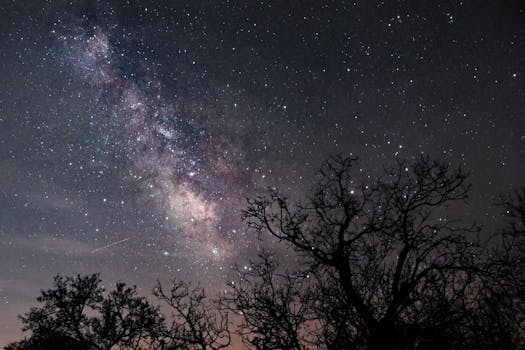
The concept of the sublime has long been a fascination in literary and philosophical discourse, particularly in its connection to the natural world. At its core, the sublime refers to the experience of being in the presence of something that inspires a mix of awe, wonder, and even fear. This can be triggered by the vastness, complexity, or beauty of a natural phenomenon, such as a towering mountain, a majestic waterfall, or a sprawling landscape. The sublime is not just a matter of aesthetic appreciation, but also an existential and emotional experience that challenges our perceptions and understanding of the world around us.
Key Points:
The concept of the sublime has long been a fascination in literary and philosophical discourse, particularly in its connection to the natural world.
At its core, the sublime refers to the experience of being in the presence of something that inspires a mix of awe, wonder, and even fear.
In the context of nature, the sublime often emerges from the intersection of human experience and the natural environment.
As the poet William Wordsworth so eloquently puts it, the sublime in nature has the power to "elevate the mind" and "ennoble the soul.
Power: the natural world has the power to shape and transform human experience, from the fury of a hurricane to the tranquility of a quiet lake.
The theme of nature and the sublime in Romantic poetry reveals the profound influence of the natural world on human emotion, cognition, and creativity, offering insights into the complexities of human experience
Read more →
In the context of nature, the sublime often emerges from the intersection of human experience and the natural environment. For instance, the majesty of a thunderstorm, with its deafening thunder and blinding lightning, can evoke feelings of fragility and vulnerability, while also inspiring a sense of wonder at the sheer power of nature. Similarly, the serenity of a sunset, with its gentle hues and soothing colors, can create a sense of peace and tranquility, while also inviting contemplation and reflection on the human condition. As the poet
William Wordsworth
so eloquently puts it, the sublime in nature has the power to "elevate the mind" and "ennoble the soul."
The connection between the sublime and nature is rooted in the idea that the natural world has the capacity to transcend human understanding and experience. The sublime is often characterized by a sense of
Boundlessness: the natural world is vast, complex, and seemingly endless, defying human attempts to fully comprehend or control it.
Mystery: the natural world is full of mysteries and wonders that inspire awe and curiosity, from the intricate patterns of a snowflake to the majestic beauty of a celestial landscape.
Power: the natural world has the power to shape and transform human experience, from the fury of a hurricane to the tranquility of a quiet lake.
These characteristics of the sublime in nature have been explored and expressed in various literary and artistic works throughout history, from the Romantic poetry of Wordsworth and Coleridge to the landscape paintings of J.M.W. Turner and Caspar David Friedrich. By examining these works and the cultural context in which they were created, we can gain a deeper understanding of the complex and multifaceted relationship between the sublime and nature, and how it continues to inspire and influence artistic expression and human experience today.
Historical Development of Nature and the Sublime
The theme of nature and the sublime has undergone significant evolution across different time periods and literary movements, reflecting the changing perceptions and attitudes of humans towards the natural world. From the Romantic era's emphasis on the emotional and psychological impact of nature to the Modernist movement's experimentation with new forms and perspectives, the concept of the sublime has been reinterpreted and reimagined in various ways. This section will examine the historical development of nature and the sublime, highlighting key literary works and movements that have contributed to its evolution.
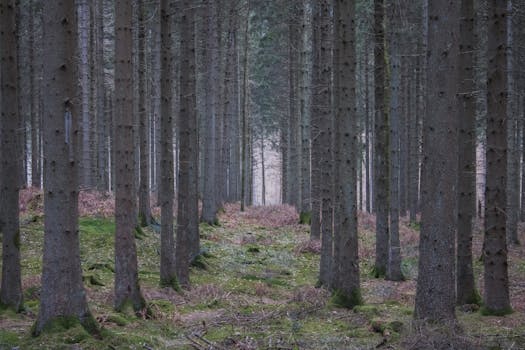
In the 18th century, the concept of the sublime was closely tied to the idea of the awe-inspiring power of nature. Writers such as Edmund Burke and Immanuel Kant explored the emotional and psychological effects of experiencing the sublime, often describing it as a mix of fear and wonder. The Romantic movement, which emerged in the late 18th and early 19th centuries, further emphasized the importance of nature and the sublime. Poets like William Wordsworth and Samuel Taylor Coleridge wrote extensively about the beauty and terror of nature, often using vivid imagery and symbolism to convey the sublime experience. For example, in Wordsworth's poem "Tintern Abbey," the speaker describes the natural landscape as a source of spiritual inspiration and awe, writing:
Photo by Mohammad Reza on Pexels
The sounding cataract
Haunted me like a passion: the tall rock,
The mountain, and the deep and gloomy wood,
Their colours and their forms, were then to me
An appetite; a feeling and a love,
That had no need of a remoter charm,
By thought supplied, nor any interest
Unborrowed from the eye.
As the 19th century progressed, the concept of the sublime began to shift and expand. The Victorian era saw a growing interest in the scientific and rational aspects of nature, with writers like Charles Darwin and Thomas Hardy exploring the natural world through the lens of science and philosophy. The Modernist movement, which emerged in the early 20th century, further challenged traditional notions of the sublime, often incorporating elements of experimentation and fragmentation. Writers like James Joyce and Virginia Woolf used stream-of-consciousness narration and non-linear narrative structures to create new and innovative representations of the natural world. For example, in Woolf's novel "Mrs. Dalloway," the character of Clarissa Dalloway experiences a moment of sublime connection with nature while walking in the park:
The trees, the flowers, the birds, and the people – all seemed to be part of a larger, interconnected whole, a web of life that was both beautiful and terrifying. This experience is reflected in the following passage:
For Lucy had her work cut out for her. The doors would be taken off their hinges; Rumpelmayer's men were coming. And then, thought Clarissa, what a morning – what a morning after every other morning! And as she walked, the world seemed to be slowly, gradually, unfolding its petals, like a flower opening in the sun.
Some of the key literary movements and works that have contributed to the evolution of the theme of nature and the sublime include:
Romanticism: characterized by an emphasis on emotion, imagination, and the beauty of nature, as seen in the works of Wordsworth, Coleridge, and John Keats.
Victorian era: marked by a growing interest in science and rationality, as reflected in the works of Darwin, Hardy, and the Brontë sisters.
Modernism: characterized by experimentation and fragmentation, as seen in the works of Joyce, Woolf, and T.S. Eliot.
Postmodernism: marked by a playful and ironic approach to the theme of nature and the sublime, as reflected in the works of authors like Thomas Pynchon and Don DeLillo.
Throughout these different literary movements and periods, the theme of nature and the sublime has continued to evolve, reflecting the changing attitudes and perceptions of humans towards the natural world. By examining the historical development of this theme, we can gain a deeper understanding of the complex and multifaceted ways in which literature has represented and explored the human experience of nature and the sublime.
Unveiling the Majestic: An In-Depth Analysis of Wordsworth's Prelude and Shelley's Mont Blanc
The Romantic era was marked by a profound fascination with nature and the sublime, as evident in the works of William Wordsworth and Percy Bysshe Shelley. Their poems, particularly Wordsworth's The Prelude and Shelley's Mont Blanc, offer a glimpse into the human experience of encountering the natural world. This analysis will delve into the ways in which these authors explored the theme of nature and the sublime, revealing the intricacies of their poetic vision.
Wordsworth's The Prelude is a seminal work that explores the poet's relationship with nature, tracing his development from childhood to adulthood. The poem is replete with instances of the sublime, where the poet's encounter with nature evokes feelings of awe and wonder. For instance, in Book I, Wordsworth describes a childhood experience of stealing a boat and rowing across a lake, only to be confronted by a majestic mountain landscape:
"...the tall cliffs / Were cloathed with wood, and towering above / The deep vale, and the stream that flowed between, / Fell from the height, and with each step did seem / To sink, as from a precipice, into the depth below."
This passage exemplifies Wordsworth's use of nature to evoke the sublime, as the poet's description of the landscape creates a sense of grandeur and majesty. The image of the cliffs, clothed with wood, and the stream, falling from the height, creates a sense of drama and tension, underscoring the poet's awe-inspired response to the natural world.
In contrast, Shelley's Mont Blanc presents a more contemplative and philosophical exploration of the sublime. The poem is a meditation on the power of nature, as embodied by the mountain Mont Blanc, and the human experience of encountering it. Shelley writes:
"The everlasting universe of things / Flows through the mind, and rolls its rapid waves, / Now dark, now bright, now flashing with a glory / That dazzles, and then quenches, like a sea / That overflows its banks, and spreads its waters / Far and wide, in uncontrolled profusion."
This passage illustrates Shelley's use of the sublime to explore the relationship between the human mind and the natural world. The image of the universe flowing through the mind, like a river, creates a sense of dynamic movement and energy, highlighting the interconnectedness of all things. The contrast between light and darkness, glory and quenching, underscores the complex and multifaceted nature of human experience, as shaped by the encounter with the sublime.
Key Elements of the Sublime in Wordsworth and Shelley
A closer examination of Wordsworth's The Prelude and Shelley's Mont Blanc reveals several key elements that contribute to the exploration of the sublime. These include:
Imagery and Description: Both poets employ vivid and detailed descriptions of natural landscapes to evoke the sublime. Wordsworth's depiction of the cliffs and the stream in The Prelude, and Shelley's description of Mont Blanc, create powerful images that inspire awe and wonder.
Emotional Response: The poets' emotional responses to nature are a crucial aspect of their exploration of the sublime. Wordsworth's feelings of awe and wonder, and Shelley's sense of contemplation and philosophical introspection, underscore the complex and multifaceted nature of human experience.
Symbolism and Metaphor: Both poets employ symbolism and metaphor to convey the significance of the natural world. Wordsworth's use of the cliffs and the stream as symbols of the sublime, and Shelley's depiction of Mont Blanc as a symbol of the power of nature, highlight the poets' ability to tap into the deeper meanings and associations of the natural world.
The exploration of the sublime in Wordsworth's The Prelude and Shelley's Mont Blanc offers a profound insight into the human experience of encountering the natural world. Through their use of imagery, emotional response, and symbolism, the poets create a sense of awe and wonder, underscoring the complex and multifaceted nature of human experience. As we continue to navigate the complexities of the modern world, the works of Wordsworth and Shelley remind us of the importance of engaging with the natural world, and the profound impact it can have on our lives and our understanding of ourselves.
The sublime, as explored in these poems, is not merely a aesthetic or emotional response, but a deeply philosophical and existential one. It speaks to our place within the natural world, and our relationship with the forces that shape our lives. As such, the study of Wordsworth's The Prelude and Shelley's Mont Blanc offers a valuable window into the human experience, highlighting the ways in which we can engage with the natural world, and the profound insights that can be gained from this encounter.
In conclusion, the in-depth analysis of Wordsworth's The Prelude and Shelley's Mont Blanc reveals a rich and complex exploration of the theme of nature and the sublime. Through their use of imagery, emotional response, and symbolism, the poets create a powerful and enduring vision of the human experience, one that continues to inspire and captivate readers to this day. As we reflect on the significance of these poems, we are reminded of the importance of engaging with the natural world, and the profound impact it can have on our lives and our understanding of ourselves.
Literary Techniques for Conveying the Sublime
Photo by Putulik Jaaka on Pexels
The Romantic poets were masters at evoking feelings of awe and wonder in response to nature, and their use of literary techniques played a crucial role in conveying the sublime. The sublime, a concept that refers to the experience of being overwhelmed by the vastness, power, or beauty of nature, was a central theme in Romantic poetry. To convey this theme, poets such as Wordsworth, Coleridge, and Shelley employed a range of literary techniques, including imagery, symbolism, and figurative language.
One of the primary techniques used by Romantic poets to evoke the sublime was the use of vivid and detailed imagery. For example, in Wordsworth's poem "I Wandered Lonely as a Cloud," the speaker describes a field of daffodils as
"a host, of golden daffodils; / Beside the lake, beneath the trees, / Fluttering and dancing in the breeze."
The use of sensory language, such as "golden," "fluttering," and "dancing," creates a powerful image in the reader's mind, evoking a sense of wonder and awe. Similarly, in Coleridge's "The Rime of the Ancient Mariner," the poet uses imagery to describe the vast and mysterious ocean,
"The very deep did rot: O Christ! / That ever this should be! / Yea, slimy things did crawl with legs / Upon the slimy sea."
The use of words such as "rot," "slimy," and "crawling" creates a sense of unease and fear, emphasizing the sublime power of nature.
In addition to imagery, Romantic poets also used symbolism to convey the sublime. For example, mountains were often used as a symbol of the sublime, representing the power and majesty of nature. In Shelley's poem "Mont Blanc," the mountain is described as
"a pyramid of earth, / Whose apex is lost in the heavens'
The use of the pyramid as a symbol emphasizes the mountain's grandeur and majesty, inspiring a sense of awe and wonder in the reader. Other symbols, such as the sun, moon, and stars, were also used to convey the sublime, representing the infinite and mysterious power of the universe.
Romantic poets also employed figurative language, such as metaphor and personification, to convey the sublime. For example, in Wordsworth's poem "Tintern Abbey," the speaker describes the natural world as
"a sense sublime / Of something far more deeply interfused, / Whose dwelling is the light of setting suns, / And the round ocean and the living air."
The use of metaphor, comparing the natural world to a living being, creates a sense of unity and interconnectedness, emphasizing the sublime power of nature. Similarly, in Coleridge's "The Rime of the Ancient Mariner," the poet uses personification to describe the sun as
"he rose with his great broad eyes, / And looked around with a slow surprise."
The use of personification creates a sense of agency and power, emphasizing the sublime majesty of the sun.
The use of imagery to create powerful and vivid descriptions of nature
The use of symbolism to represent the power and majesty of nature
The use of figurative language, such as metaphor and personification, to convey the sublime
The use of repetition and rhyme to create a sense of musicality and rhythm
The use of enjambment and caesura to create a sense of flow and tension
These literary techniques, among others, were used by Romantic poets to convey the sublime, creating a sense of awe, wonder, and reverence in response to nature. By analyzing these techniques, readers can gain a deeper understanding of the Romantic poets' vision of the natural world and the ways in which they sought to convey the sublime in their poetry.
The Cultural and Social Context of Romanticism
Romanticism, as a literary and artistic movement, emerged in the late 18th century, primarily in Europe and North America. The theme of Romanticism in poetry is deeply rooted in the social, cultural, and historical context of the time. To understand the emergence of this theme, it is essential to examine the factors that contributed to its development. The Industrial Revolution, which was transforming the economic and social landscape of Europe, played a significant role in shaping the Romantic movement. As people moved from rural areas to cities in search of work, they experienced a sense of disconnection from nature and a loss of traditional ways of life.
This disillusionment with the consequences of industrialization and urbanization led poets such as William Wordsworth and Samuel Taylor Coleridge to seek solace in the beauty of nature and the power of the human imagination. They drew inspiration from the natural world, folklore, and mythology, which became central themes in their poetry. For instance, Wordsworth's poem
"I Wandered Lonely as a Cloud"
celebrates the beauty of nature and the poet's emotional response to it, illustrating the Romantic emphasis on the individual's emotional experience and connection with the natural world.
The cultural and social context of the time also influenced the development of Romanticism. The French Revolution, with its emphasis on liberty, equality, and fraternity, had a profound impact on the intellectual and artistic landscape of Europe. The ideals of the Revolution, such as the importance of individual freedom and the power of the human spirit, resonated with the Romantics, who saw themselves as champions of the individual and the emotional. The Romantics also drew inspiration from the cultural and literary heritage of Europe, including the works of Shakespeare, Milton, and the ancient Greeks and Romans.
The emphasis on emotion and individual experience in Romantic poetry was also influenced by the cultural and social changes of the time, such as the rise of the middle class and the growth of urban centers.
The Romantics' fascination with the supernatural, the exotic, and the unknown was fueled by the discovery of new lands, cultures, and ideas, which expanded the intellectual and artistic horizons of Europe.
The role of women in society was also an important factor in the development of Romanticism, as female poets such as Mary Shelley and Emily Dickinson began to challenge traditional gender roles and assert their own creative voices.
In conclusion, the cultural and social context of Romanticism was characterized by a complex interplay of historical, literary, and cultural factors. The Industrial Revolution, the French Revolution, and the cultural and literary heritage of Europe all contributed to the emergence of Romanticism as a distinct literary and artistic movement. By examining these factors, we can gain a deeper understanding of the themes and concerns of Romantic poetry and appreciate the enduring legacy of this movement in literature and art.
Contemporary Relevance of Nature and the Sublime
The theme of nature and the sublime, which has been a cornerstone of literary and artistic expression for centuries, continues to exert a profound influence on contemporary thought, literature, and art. This enduring fascination with the natural world and the human experience of awe and wonder can be attributed to the complex and multifaceted nature of the sublime itself. As a concept, the sublime is both beautiful and terrifying, inspiring feelings of reverence and humility in the face of the unknown or the unknowable. In contemporary culture, this theme is evident in a wide range of artistic and literary works, from the environmental fiction of authors such as Margaret Atwood and Cormac McCarthy, to the landscape photography of artists like Ansel Adams and Sebastião Salgado.
One of the key ways in which the theme of nature and the sublime continues to influence contemporary thought is through its emphasis on the interconnectedness of human and natural systems. As
the natural world is increasingly threatened by human activities such as climate change, deforestation, and pollution, the sublime serves as a powerful reminder of the beauty, majesty, and fragility of the earth
. This is evident in the work of authors like Bill McKibben, who writes about the impact of human activity on the natural world, and the need for a more sustainable and environmentally conscious approach to living. The sublime also informs the work of artists like Agnes Denes, who creates large-scale environmental installations that explore the relationships between human and natural systems.
The use of nature imagery and symbolism in contemporary literature, such as in the works of authors like Toni Morrison and Michael Ondaatje, who draw on the sublime to explore themes of identity, culture, and history.
The incorporation of environmental themes and motifs in contemporary art, such as in the work of artists like Maya Lin, who creates sculptures and installations that explore the relationships between human and natural systems.
The growing interest in eco-criticism and environmental humanities, which seeks to examine the ways in which literature and art reflect and shape our understanding of the natural world and our place within it.
These examples demonstrate the ongoing relevance of the theme of nature and the sublime in contemporary culture, and highlight the ways in which this theme continues to inspire and inform artistic and literary expression. Through its emphasis on the beauty, majesty, and fragility of the natural world, the sublime serves as a powerful reminder of the importance of living in harmony with the earth, and of the need for a more sustainable and environmentally conscious approach to living.
Conclusion: Lasting Significance of Nature and the Sublime
The theme of nature and the sublime has been a cornerstone of literary analysis for centuries, and its significance extends far beyond the realm of academic discourse. As we reflect on the enduring importance of this theme, it becomes clear that its relevance is not limited to the literary canon, but rather permeates various aspects of human experience. The sublime, in particular, has been a powerful force in shaping our understanding of the natural world and our place within it. From the majestic landscapes of Romantic poetry to the eerie, post-apocalyptic vistas of contemporary fiction, the sublime continues to captivate and intimidate us, reminding us of the awe-inspiring power of nature.
One of the key reasons for the lasting significance of this theme is its ability to transcend temporal and cultural boundaries. As
the poet and philosopher, Ralph Waldo Emerson, so eloquently put it, "Nature is not a place to visit. It is home."
This sentiment echoes through the works of various authors, from Henry David Thoreau's Walden to Cormac McCarthy's The Road, highlighting the timeless and universal appeal of the natural world. The sublime, in particular, has been a recurring motif in literature, evoking feelings of wonder, fear, and reverence in readers.
Some of the key aspects of the theme of nature and the sublime that continue to resonate with readers and scholars today include:
The interconnectedness of human experience and the natural world
The sublime as a catalyst for personal transformation and growth
The tension between the beauty and the terror of nature
The role of nature in shaping cultural and national identities
These aspects, among others, demonstrate the richness and complexity of the theme, and underscore its continued importance in literary studies and beyond. As we move forward in an era marked by environmental uncertainty and technological advancements, the theme of nature and the sublime serves as a powerful reminder of our place within the natural world, and the need to reexamine our relationship with the land, the environment, and ourselves.