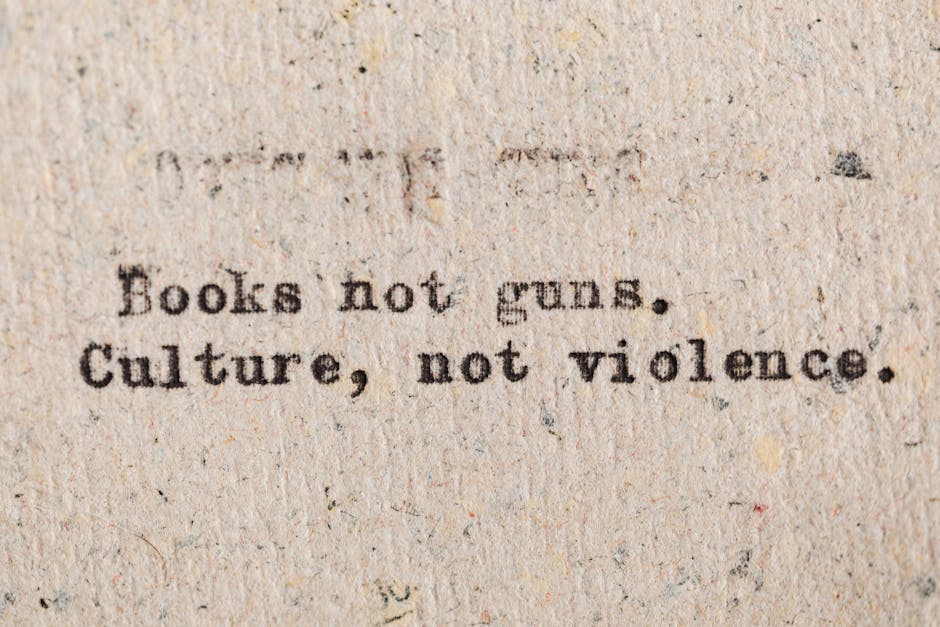
Understanding War and Trauma: A Pervasive Theme in Literature
The theme of war and trauma is a pervasive and complex one in literature, transcending genres and time periods to capture the human experience in the face of conflict and violence. At its core, this theme seeks to explore the profound impact of war on individuals, communities, and society as a whole, often revealing the intricate and far-reaching consequences of trauma on the human psyche. Through the lens of literature, authors have consistently grappled with the moral, psychological, and emotional implications of war, offering powerful insights into the human condition.
Key Points:
Some key aspects of this theme include:.
The focus was on the exploits of mythical heroes, with the trauma and suffering of war being largely relegated to the background.
However, with the advent of modernity, the representation of war and trauma began to shift.
The portrayal of war and trauma became increasingly nuanced, with a focus on the psychological and emotional toll on individuals.
Delving into the profound effects of war on individuals and society, 20th century fiction offers a window into the trauma and resilience of the human spirit, raising crucial questions about the cost of conflict
Read more →
One of the primary ways in which literature conveys the theme of war and trauma is through the portrayal of characters struggling to cope with the aftermath of conflict. For instance, in Ernest Hemingway's A Farewell to Arms, the protagonist Frederic Henry's experiences in World War I are marked by a sense of disillusionment and emotional numbness, highlighting the ways in which war can erode an individual's sense of purpose and identity. Similarly, in Toni Morrison's Beloved, the character of Sethe is haunted by the traumatic memories of her past, demonstrating the lasting legacy of historical trauma on individuals and communities.
War is not just a series of events, but a state of mind, a way of being that can persist long after the guns have fallen silent.
This notion is further reinforced by the ways in which literature often explores the collective trauma experienced by communities in the aftermath of war. The works of authors such as Kurt Vonnegut, Joseph Heller, and Tim O'Brien, for example, offer powerful portrayals of the ways in which war can disrupt social norms, destroy cultural heritage, and leave deep scars on the collective psyche. Some key aspects of this theme include:
The psychological toll of war on individuals, including the development of conditions such as post-traumatic stress disorder (PTSD)
The impact of war on social and cultural norms, including the breakdown of community and the erosion of traditional values
The lasting legacy of historical trauma, including the ways in which past conflicts can continue to shape contemporary society
The role of literature in processing and making sense of traumatic experiences, including the use of narrative as a means of catharsis and healing
Ultimately, the theme of war and trauma in literature serves as a powerful reminder of the human cost of conflict, highlighting the need for empathy, understanding, and reconciliation in the face of violence and adversity. By exploring this complex and multifaceted theme, authors are able to shed light on the darkest aspects of human experience, while also offering a message of hope and resilience in the face of trauma and adversity.
Historical Development: The Evolving Portrayal of War and Trauma in Literature
The theme of war and trauma has been a pervasive and enduring concern in literature, with authors across various time periods and literary movements grappling with the human cost of conflict. The portrayal of war and its aftermath has undergone significant transformations, reflecting the changing societal attitudes, technological advancements, and the evolving understanding of human psychology. This section will delve into the historical development of war and trauma in literature, tracing the evolution of this theme from the classical era to modern times.
In ancient Greek literature, the depiction of war and trauma was often romanticized, with works like Homer's The Iliad and The Odyssey presenting a heroic, noble, and honor-bound portrayal of conflict. The focus was on the exploits of mythical heroes, with the trauma and suffering of war being largely relegated to the background. However, with the advent of modernity, the representation of war and trauma began to shift. The horrors of World War I, in particular, had a profound impact on the literary landscape, as authors like Wilfred Owen and Siegfried Sassoon began to expose the brutal realities of trench warfare and the devastating effects on the human psyche.
War is a ghastly and vile thing, and the sooner it is got rid of, the better for all concerned. - Wilfred Owen
The interwar period saw the rise of literary movements like Modernism and Surrealism, which sought to capture the disillusionment and fragmentation of society in the aftermath of World War I. Authors like T.S. Eliot, Virginia Woolf, and Ernest Hemingway experimented with innovative narrative techniques to convey the disillusionment and trauma of a generation. The portrayal of war and trauma became increasingly nuanced, with a focus on the psychological and emotional toll on individuals.
Photo by cottonbro studio on Pexels
The Lost Generation, a group of American and British authors, including Hemingway, F. Scott Fitzgerald, and Gertrude Stein, explored the themes of disillusionment, moral bankruptcy, and the search for meaning in a post-war world.
The Modernist movement, characterized by its experimentation with form and narrative, enabled authors to capture the fractured nature of human experience during times of war and social upheaval.
Post-colonial literature, emerging in the mid-20th century, offered a critical perspective on the legacy of imperialism and the ongoing impact of historical trauma on marginalized communities.
The second half of the 20th century saw the rise of postmodernism and the emergence of new literary voices, which continued to challenge and subvert traditional notions of war and trauma. The Vietnam War, in particular, had a profound impact on American literature, with authors like Tim O'Brien, Michael Herr, and Robert Stone creating powerful works that captured the complexity and ambiguity of modern warfare. The portrayal of war and trauma became increasingly complex, with a focus on the moral ambiguities, the impact on civilians, and the long-term effects on individuals and society.
Today, the theme of war and trauma continues to evolve, with authors like Ben Fountain, Phil Klay, and Helen Oyeyemi exploring the ongoing impact of conflict on individuals, communities, and nations. The use of new narrative forms, such as magical realism, speculative fiction, and hybrid genres, has enabled authors to capture the multifaceted nature of war and trauma, reflecting the changing nature of conflict and the ongoing quest for meaning and understanding in a rapidly changing world.
Analysis of Key Works: Unpacking the Trauma of War in All Quiet on the Western Front and Slaughterhouse-Five
The devastating consequences of war have been a recurring theme in literature, with authors like Erich Maria Remarque and Kurt Vonnegut offering powerful portrayals of the trauma and disillusionment that can result from combat. Two novels, in particular, stand out for their unflinching examination of the psychological and emotional toll of war: All Quiet on the Western Front and Slaughterhouse-Five. This section will delve into the ways in which these novels depict the trauma of war, exploring the techniques used by the authors to convey the complexities of the human experience.
Remarque's All Quiet on the Western Front, published in 1929, is a seminal work of modernist literature that explores the experiences of a young German soldier, Paul Baümer, during World War I. The novel is remarkable for its vivid descriptions of the horrors of war, as well as its thoughtful exploration of the psychological effects of combat on the individual. As Paul navigates the trenches and battles of the Western Front, he is forced to confront the harsh realities of war, including the loss of friends, the brutality of combat, and the dehumanizing effects of military training. Through Paul's story, Remarque illustrates the ways in which war can erode a person's sense of identity and humanity, leaving them feeling disconnected and disillusioned.
The world has become a meaningless place, and I am a meaningless person in it.
This sense of disconnection and disillusionment is a pervasive theme in All Quiet on the Western Front, and is echoed in Vonnegut's Slaughterhouse-Five, published in 1969. The novel tells the story of Billy Pilgrim, an American soldier who is captured by the Germans during World War II and survives the bombing of Dresden. Like Paul Baümer, Billy is a symbol of the Everyman, an ordinary person caught up in the chaos and destruction of war. Vonnegut's novel is notable for its use of satire and science fiction elements to explore the trauma of war, as well as its innovative narrative structure, which blends elements of fiction, memoir, and social commentary.
One of the key techniques used by Vonnegut to convey the trauma of war is the concept of "unstuck in time," which refers to Billy's experiences of becoming detached from the linear progression of time. This device allows Vonnegut to explore the ways in which war can disrupt a person's sense of chronology and narrative, leaving them feeling lost and disconnected from the world around them. As Billy navigates the complexities of time and memory, he is forced to confront the horrors of war, including the destruction of Dresden and the brutal treatment of prisoners of war. Through Billy's story, Vonnegut illustrates the ways in which war can erase a person's sense of identity and humanity, leaving them feeling like a "bug trapped in amber."
Techniques of Trauma Representation
Both All Quiet on the Western Front and Slaughterhouse-Five employ a range of literary techniques to represent the trauma of war, including:
The use of vivid and disturbing imagery to convey the horrors of combat
The exploration of the psychological effects of war on the individual, including shell shock, anxiety, and depression
The portrayal of the dehumanizing effects of military training and the ways in which war can erode a person's sense of identity and humanity
The use of non-linear narrative structures to convey the disjointed and fragmented nature of the war experience
The incorporation of satire and social commentary to critique the political and social contexts of war
These techniques allow the authors to create a powerful and thought-provoking portrayal of the trauma of war, one that highlights the complexities and nuances of the human experience. By exploring the ways in which war can disrupt a person's sense of identity and humanity, Remarque and Vonnegut offer a profound commentary on the devastating consequences of conflict and the importance of promoting peace and understanding.
In conclusion, the novels All Quiet on the Western Front and Slaughterhouse-Five offer a searing portrayal of the trauma of war, one that is both deeply personal and profoundly thought-provoking. Through their innovative use of literary techniques, Remarque and Vonnegut create a powerful and lasting impression on the reader, one that highlights the importance of promoting peace, understanding, and empathy in a world that is often marked by conflict and division. As we reflect on the themes and techniques of these novels, we are reminded of the enduring power of literature to capture the human experience and to inspire us to work towards a more just and peaceful world.
Literary Techniques Used to Convey the Complexities of War and Trauma
The portrayal of war and trauma in literature is a complex and multifaceted endeavor, requiring authors to employ a range of narrative strategies and literary devices to convey the depth and nuance of these experiences. Through the use of techniques such as non-linear narrative structures, symbolism, and stream-of-consciousness narration, authors are able to create a rich and immersive reading experience that draws the reader into the world of the story. In this section, we will examine the literary techniques used by authors to convey the complexities of war and trauma, and explore how these techniques contribute to a deeper understanding of these experiences.
One of the key literary techniques used to convey the complexities of war and trauma is the non-linear narrative structure. This technique, which involves presenting events out of chronological order, allows authors to disrupt the reader's expectations and create a sense of disorientation and confusion. For example, in
Tim O'Brien's "The Things They Carried,"
the narrative jumps back and forth in time, mirroring the fragmented and disjointed nature of the characters' experiences during the Vietnam War. This non-linear structure creates a sense of chaos and disorder, drawing the reader into the world of the story and forcing them to piece together the events of the narrative in a way that reflects the characters' own disjointed experiences.
Another literary device used to convey the complexities of war and trauma is symbolism. Symbols, which are objects, colors, or other elements that carry meaning beyond their literal interpretation, can be used to represent abstract concepts or ideas. For example, in
Ernest Hemingway's "A Farewell to Arms,"
the symbol of the rain-soaked landscape serves as a powerful metaphor for the characters' emotional states, conveying a sense of sadness, loss, and despair. The use of symbolism in this way allows authors to convey complex emotions and ideas in a way that is both subtle and powerful, creating a rich and layered reading experience.
In addition to non-linear narrative structures and symbolism, stream-of-consciousness narration is another literary technique used to convey the complexities of war and trauma. This technique, which involves presenting the thoughts and feelings of a character in a fluid, unstructured way, allows authors to create a sense of immediacy and intimacy, drawing the reader into the inner world of the character. For example, in
Virginia Woolf's "Mrs. Dalloway,"
the stream-of-consciousness narration creates a sense of flow and continuity, mirroring the natural rhythms of the human mind and allowing the reader to experience the world of the story in a way that is both deeply personal and profoundly universal.
The use of these literary techniques can be seen in a variety of texts, including:
"The Things They Carried"
by Tim O'Brien, which uses non-linear narrative structures and symbolism to convey the complexities of war and trauma.
"A Farewell to Arms"
by Ernest Hemingway, which uses symbolism and sparse, economical language to convey the emotional toll of war on the human psyche.
"Mrs. Dalloway"
by Virginia Woolf, which uses stream-of-consciousness narration to create a sense of flow and continuity, mirroring the natural rhythms of the human mind.
"All Quiet on the Western Front"
by Erich Maria Remarque, which uses vivid and graphic descriptions of war to convey the brutality and senselessness of conflict.
Through the use of these literary techniques, authors are able to create a rich and immersive reading experience that draws the reader into the world of the story, conveying the complexities of war and trauma in a way that is both powerful and profound. By examining the narrative strategies and literary devices employed by authors, we can gain a deeper understanding of the ways in which literature can be used to convey the human experience, and the ways in which the complexities of war and trauma can be represented in a way that is both nuanced and meaningful.
Photo by cottonbro studio on Pexels
Cultural and Social Context: Unpacking the Representation of War and Trauma
The literary representation of war and trauma is intricately tied to the cultural, social, and historical contexts in which it is written. Authors, as products of their time, inevitably reflect the societal attitudes, values, and beliefs of their era in their works. This section will delve into the ways in which the social, cultural, and historical contexts shape the literary representation of war and trauma, providing a nuanced understanding of the complex relationships between these factors.
One of the primary ways in which cultural and social context influences the representation of war and trauma is through the lens of nationalism. As
Benedict Anderson notes, "nationalism is not just a political ideology, but a cultural and social force that shapes our understanding of the world and our place in it"
. This is particularly evident in works such as Ernest Hemingway's A Farewell to Arms, which reflects the disillusionment and fragmentation of American society during World War I. The novel's protagonist, Frederic Henry, embodies the existential crisis faced by many young Americans who fought in the war, highlighting the tension between national loyalty and personal identity.
Furthermore, the historical context of war also plays a significant role in shaping the literary representation of trauma. The aftermath of World War I, for example, saw a surge in the production of literature that dealt with the psychological effects of war, such as shell shock and what would later be known as post-traumatic stress disorder (PTSD). Authors like Wilfred Owen and Siegfried Sassoon wrote about the horrors of trench warfare, providing a stark contrast to the romanticized notions of war that had previously dominated literary representations. As a result, the literary landscape began to shift, with authors increasingly focusing on the individual experiences of soldiers and the long-term effects of trauma.
The rise of psychoanalytic theory, led by Sigmund Freud, also had a profound impact on the representation of trauma in literature. Authors began to explore the inner lives of their characters, delving into the psychological effects of war and trauma on the human psyche.
The social and cultural context of the time also influenced the way in which war and trauma were represented in literature. The women's suffrage movement, for example, led to an increase in female authors writing about the experiences of women during wartime, providing a unique perspective on the home front and the impact of war on civilian life.
The historical context of colonialism and imperialism also played a significant role in shaping the representation of war and trauma. Authors like Joseph Conrad and E.M. Forster wrote about the complexities of colonialism, highlighting the tensions between Western and non-Western cultures, and the devastating effects of imperialism on indigenous populations.
In conclusion, the cultural, social, and historical contexts in which literature is written have a profound impact on the representation of war and trauma. By examining these contexts, we can gain a deeper understanding of the complex relationships between literature, history, and culture, and how they shape our understanding of the human experience. As we continue to grapple with the aftermath of war and trauma, it is essential that we consider the ways in which literature reflects and challenges our assumptions about the world, and the role that it plays in shaping our cultural and social attitudes towards these complex issues.
Psychological and Emotional Toll
The theme of war's psychological and emotional toll on individuals and communities is a pervasive and haunting one, weaving its way through the fabric of literary works that explore the human cost of conflict. As we delve into the lives of characters affected by war, we find that the trauma and stress of battle can have a profound impact on their mental health, relationships, and overall sense of well-being. The literary canon is replete with examples of characters struggling to cope with the aftermath of war, from the shell-shocked soldiers of Wilfred Owen's poetry to the traumatized protagonists of modern novels like The Yellow Birds by Kevin Powers.
One of the most significant ways in which war takes a psychological toll on individuals is through the experience of trauma. Traumatic events, such as the loss of comrades, the witnessing of atrocities, or the experience of intense fear, can leave lasting scars on a person's psyche. As
psychologist Jonathan Shay notes, "the most damaging aspect of war is not the physical harm, but the emotional and moral harm that can result from the experience of trauma"
. This emotional harm can manifest in a range of ways, from anxiety and depression to post-traumatic stress disorder (PTSD) and even suicidal thoughts. The consequences of trauma can be severe and long-lasting, affecting not only the individual but also their loved ones and community.
The emotional toll of war is not limited to individual experiences, but can also have a profound impact on communities and society as a whole. The effects of war can be seen in the breakdown of social bonds, the erosion of trust, and the displacement of people from their homes and communities. Some of the key ways in which war affects communities include:
Displacement and migration: The forced movement of people from their homes and communities can lead to a loss of identity, culture, and sense of belonging.
Social fragmentation: The experience of war can create divisions within communities, leading to social fragmentation and conflict.
Economic devastation: The destruction of infrastructure, industries, and resources can have a lasting impact on a community's economic well-being.
Intergenerational trauma: The effects of war can be passed down from one generation to the next, affecting the mental health and well-being of families and communities for years to come.
Through the exploration of the psychological and emotional toll of war, literature provides a powerful lens through which to examine the human cost of conflict. By examining the experiences of characters and communities affected by war, we can gain a deeper understanding of the complex and far-reaching consequences of trauma, and the importance of providing support and care to those affected. As we reflect on the devastating impact of war on individuals and communities, we are reminded of the need for empathy, compassion, and peace, and the importance of working towards a more just and peaceful world.
Contemporary Relevance: The Enduring Impact of War and Trauma
The theme of war and trauma remains a pervasive and haunting presence in modern literature and society. Despite the passage of time, the echoes of conflict continue to reverberate, influencing contemporary culture and informing our collective psyche. This ongoing relevance is a testament to the profound and lasting effects of war on individuals, communities, and nations. As the world grapples with the complexities of modern warfare, terrorism, and social unrest, the exploration of trauma and its aftermath has become an essential aspect of literary discourse.
Modern authors such as Kevin Powers and Phil Klay have tackled the realities of war and its consequences in their works, offering powerful and unflinching portrayals of the human cost of conflict. For instance, Powers' novel The Yellow Birds explores the psychological toll of war on two young soldiers, while Klay's short story collection Redeployment delves into the complexities of reintegration and the search for meaning in a post-war world. These narratives not only reflect the experiences of contemporary soldiers but also underscore the universal and timeless nature of trauma, which transcends generations and geographical boundaries.
War's enduring impact is evident in the countless stories of survivors, veterans, and refugees, whose testimonies serve as a poignant reminder of the devastating consequences of conflict.
The theme of war and trauma is also reflected in other art forms, such as film and poetry, which often serve as a platform for exploring the emotional and psychological aftermath of conflict. For example, films like American Sniper and The Hurt Locker have sparked important conversations about the realities of modern warfare and the struggles faced by soldiers and their families. Similarly, poets like Brian Turner and Yusef Komunyakaa have used their work to convey the complexities and nuances of war, offering a powerful and introspective exploration of the human experience.
The exploration of war and trauma in modern literature serves as a catalyst for dialogue and reflection, encouraging readers to engage with the complexities of conflict and its aftermath.
The use of narrative as a means of processing and coping with trauma has become an essential aspect of contemporary literary discourse, with many authors drawing on personal experiences and observations to inform their work.
The impact of war and trauma on individuals and communities is a multifaceted and far-reaching issue, with consequences that extend beyond the immediate aftermath of conflict to influence societal attitudes, cultural norms, and individual worldviews.
Ultimately, the ongoing relevance of war and trauma in modern literature and society serves as a poignant reminder of the need for empathy, understanding, and continued exploration of the human experience. By engaging with these complex and often difficult themes, we may work towards a deeper understanding of the consequences of conflict and the importance of promoting peace, reconciliation, and healing in our world.
The portrayal of war and trauma in 20th century fiction has left an indelible mark on the literary landscape, continuing to influence contemporary writers and shape the way we understand the human experience. Through the works of authors such as Ernest Hemingway, Virginia Woolf, and Joseph Heller, we see the devastating effects of conflict on individuals and society, as well as the struggle to come to terms with the trauma that lingers long after the fighting has ceased. As
Tim O'Brien
so eloquently put it,
"war is hell, but it's also a crucible, a trial by fire that can reveal the deepest, most profound aspects of human nature."
This notion is reinforced by the numerous examples of characters in 20th century fiction who are forever changed by their experiences in war, such as Hemingway's
Nick Adams
in "A Very Short Story" or Heller's
Yossarian
in "Catch-22".
The significance of these works extends far beyond the historical context in which they were written, speaking to fundamental questions about the human condition and our capacity for resilience in the face of unimaginable horror. Some key aspects of this lasting significance include:
The exploration of the psychological toll of war, including the development of what we now recognize as post-traumatic stress disorder (PTSD)
The examination of the moral complexities of conflict, where right and wrong are often blurred and individuals are forced to confront their own mortality
The portrayal of the long-term effects of trauma on individuals, families, and communities, highlighting the need for empathy, understanding, and support
As we continue to navigate the complexities of our own tumultuous world, the works of 20th century fiction provide a powerful reminder of the importance of acknowledging and addressing the trauma that arises from conflict, whether it be on the battlefield or in our own backyards. By reflecting on the lasting significance of war and trauma in 20th century fiction, we can gain a deeper understanding of the human experience and the ways in which literature can help us process, cope with, and ultimately heal from the wounds of the past.