The theme of social class and inequality is a pervasive and complex issue in Victorian literature, reflecting the societal hierarchies and divisions of the time. During the Victorian era, social class was a rigid and unforgiving system, with individuals largely defined by their birth, occupation, and wealth. This strict stratification led to significant inequality, with the upper classes holding vast amounts of power and privilege, while the lower classes struggled to survive. In literary works of the period, authors often explored the tensions and conflicts arising from these social divisions, shedding light on the human experiences and consequences of such a system.
Key Points:
Respectability was closely tied to notions of morality, hard work, and thrift, and was seen as essential for social advancement.
During the Victorian era, social class was a rigid and unforgiving system, with individuals largely defined by their birth, occupation, and wealth.
Authors like Dickens and Gaskell used their writings to critique the social class system, exposing its injustices and advocating for reform.
The theme of social class and inequality remains a vital and relevant concern in contemporary society, with many of the same issues persisting today.
One of the primary factors contributing to the development of social hierarchy during this period was the growth of industrial capitalism.
Delving into the portrayal of social class and inequality in Victorian novels, revealing the significance of this theme in understanding the era's societal structures and literary masterpieces
Read more →
The portrayal of gender and power in 19th century literature reveals the societal constraints and expectations placed on individuals, shaping our understanding of identity, class, and relationships
Read more →
One of the primary ways in which Victorian literature addresses social class and inequality is through the portrayal of characters from different backgrounds and their interactions with one another. For example, in Charles Dickens' Oliver Twist, the titular character's journey from a workhouse to a life of crime and eventually to a middle-class family highlights the social and economic challenges faced by the poor. Similarly, in Elizabeth Gaskell's North and South, the contrast between the industrial north and the more affluent south of England serves as a backdrop for exploring the social and economic disparities of the time.
The social class system of Victorian England was a "rigid and unyielding framework" that dictated every aspect of life, from education and occupation to marriage and social status.
Authors like Dickens and Gaskell used their writings to critique the social class system, exposing its injustices and advocating for reform. By depicting the harsh realities of poverty, exploitation, and social exclusion, they raised awareness about the need for change and inspired readers to consider the human cost of such a system. The theme of social class and inequality remains a vital and relevant concern in contemporary society, with many of the same issues persisting today. Through their works, Victorian authors continue to offer valuable insights into the complexities of social hierarchy and the importance of promoting greater equality and understanding.
The social class system was reinforced by institutions such as the church, education, and government, which perpetuated the existing power structures.
Literary works often featured characters who navigated multiple social classes, highlighting the difficulties and consequences of social mobility.
The theme of social class and inequality was frequently intertwined with other issues, such as poverty, crime, and the role of women in society.
Ultimately, the exploration of social class and inequality in Victorian literature serves as a powerful reminder of the need for empathy, compassion, and social responsibility. By examining the ways in which authors of the time addressed these issues, we can gain a deeper understanding of the historical context and the ongoing relevance of this theme in modern society.
Historical Development of Social Hierarchy
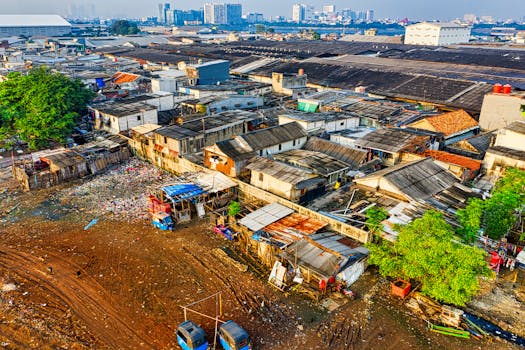
The evolution of social classes from the Industrial Revolution to the late Victorian era is a complex and multifaceted phenomenon that has been explored in various literary works of the time. As the Industrial Revolution gained momentum in the late 18th and early 19th centuries, the traditional social hierarchy of England began to undergo significant changes. The old aristocracy and landed gentry, who had long held power and influence, found themselves faced with a new and rising middle class, comprised of industrialists, merchants, and professionals. This shift in social dynamics had far-reaching consequences, leading to the emergence of distinct social classes, each with its own unique characteristics, values, and cultural norms.
Photo by Tom Fisk on Pexels
One of the primary factors contributing to the development of social hierarchy during this period was the growth of industrial capitalism. As factories and manufacturing centers sprang up across the country, a new class of industrialists and entrepreneurs emerged, amassing vast fortunes and gaining significant economic and social power. These individuals, often referred to as the "new rich," were able to challenge the authority of the traditional aristocracy, creating a sense of social mobility and flux. However, this shift also led to the exploitation of the working class, who toiled in poor conditions for long hours and low wages, exacerbating social and economic inequalities.
The Victorian era was marked by a growing awareness of social class and its implications, as evident in the works of authors such as Charles Dickens, Elizabeth Gaskell, and Thomas Hardy. Their writings often highlighted the struggles of the working class, the excesses of the wealthy, and the social and moral implications of industrialization.
A key aspect of the social hierarchy during this period was the concept of "respectability," which referred to the values and behaviors deemed acceptable by the middle class. Respectability was closely tied to notions of morality, hard work, and thrift, and was seen as essential for social advancement. The middle class, in particular, was keen to demonstrate its respectability, often through the adoption of certain cultural practices, such as attending church, participating in charitable activities, and engaging in "refined" pursuits like literature and music. This emphasis on respectability served to further differentiate the middle class from the working class, who were often viewed as rough, uneducated, and lacking in morals.
The growth of urban centers, such as Manchester and Birmingham, led to the development of new social classes, including the "urban poor" and the "suburban middle class."
The expansion of education and the emergence of a more literate population contributed to the rise of a more informed and critical citizenry, who were better equipped to challenge social hierarchies and advocate for change.
The women's movement, which gained momentum during the late Victorian era, played a significant role in challenging traditional social norms and promoting greater equality and social justice.
As the Victorian era drew to a close, the social hierarchy of England had undergone significant transformations, marked by the rise of the middle class, the growth of industrial capitalism, and the increasing awareness of social and economic inequalities. The literary works of the time, with their nuanced portrayals of social class and their critiques of industrialization, continue to offer valuable insights into the complexities of this pivotal moment in English history. Through their writings, authors such as Dickens, Gaskell, and Hardy provided a window into the lives of the various social classes, highlighting the struggles, contradictions, and challenges of a society in flux.
The legacy of the social hierarchy developed during the Industrial Revolution and the Victorian era can still be seen today, with its emphasis on respectability, social mobility, and the pursuit of wealth and status. However, the historical context of this period serves as a reminder that social class is not fixed, but rather a dynamic and evolving construct, shaped by economic, cultural, and social forces. As such, it is essential to continue exploring and analyzing the complexities of social hierarchy, both in historical and contemporary contexts, in order to gain a deeper understanding of the ways in which social class shapes our lives and our society.
Unveiling the Social Hierarchy: A Critical Examination of Class and Inequality in Victorian Literature
The Victorian era was marked by a rigid social hierarchy, with class divisions that seemed insurmountable. Authors like Charles Dickens and George Eliot sought to expose the harsh realities of this system, using their works to critique the social and economic disparities of their time. In this section, we will delve into a detailed analysis of key works, including Oliver Twist, Great Expectations, and Middlemarch, to explore how these authors portrayed social class and inequality, and what insights their writings offer into the human experience.
Dickens' Oliver Twist is a seminal work in the exploration of social class and its consequences. The novel's eponymous hero, a poor orphan born in a workhouse, navigates a treacherous landscape of poverty, crime, and exploitation. Through Oliver's journey, Dickens highlights the dehumanizing effects of poverty and the ways in which the social system perpetuates inequality. For example, the character of Fagin, the leader of a gang of pickpockets, represents the darker aspects of poverty, where desperation and necessity drive individuals to crime. As Dickens notes,
"It was a dirty, cluttered, and noisy place, and the air was thick with the smells of smoke, and dirt, and poverty"
, illustrating the squalid conditions in which the poor were forced to live.
In contrast, Great Expectations offers a more nuanced exploration of social class, as the protagonist, Pip, navigates a complex web of relationships and identities. Pip's transformation from a poor, uneducated boy to a gentleman with "great expectations" serves as a commentary on the social mobility of the time. However, Dickens also underscores the artificial nature of social class, as Pip's newfound status is built on shaky ground, reliant on the patronage of a mysterious benefactor. This is evident in the character of Miss Havisham, a wealthy, reclusive spinster who embodies the decay and corruption of the aristocracy. Her crumbling mansion, with its rotting wedding cake and tattered finery, serves as a symbol of the transience of social status and the emptiness of wealth without purpose.
George Eliot's Middlemarch offers a distinct perspective on social class and inequality, one that is rooted in the experiences of the rural gentry and emerging middle class. The novel's protagonist, Dorothea Brooke, is a member of the minor aristocracy, who seeks to make a meaningful contribution to society, despite the limited options available to her. Through Dorothea's story, Eliot critiques the social conventions that restrict women's choices and opportunities, highlighting the ways in which class and gender intersect to limit individual potential. For example, the character of Rosamond Vincy, a beautiful and charming young woman from a lower-middle-class family, represents the social aspirations of the rising middle class. Her marriage to the wealthy and influential Dr. Lydgate serves as a commentary on the social climbing that characterized the era, as well as the tensions between old money and new wealth.
The portrayals of social class and inequality in these works are multifaceted and complex, reflecting the authors' deep understanding of the social hierarchies of their time. Some key aspects of their portrayals include:
The dehumanizing effects of poverty and the ways in which the social system perpetuates inequality
The artificial nature of social class and the instability of social status
The limitations imposed on women by social conventions and the restricted options available to them
The tensions between old money and new wealth, as well as the social climbing that characterized the era
The decay and corruption of the aristocracy, as represented by characters like Miss Havisham
These themes and motifs are woven throughout the novels, creating a rich tapestry of social commentary that remains relevant today. As we continue to grapple with issues of inequality and social justice, the works of Dickens and Eliot offer valuable insights into the human experience, reminding us of the importance of empathy, compassion, and understanding in bridging the divides that separate us.
Ultimately, the portrayals of social class and inequality in Oliver Twist, Great Expectations, and Middlemarch serve as a powerful indictment of the social systems that perpetuate inequality and limit human potential. Through their writings, Dickens and Eliot encourage us to think critically about the social hierarchies that shape our world and to strive for a more just and equitable society, where every individual has the opportunity to reach their full potential, regardless of their background or circumstances.
Literary Techniques for Conveying Social Commentary
Authors have long employed literary techniques to critique social class and inequality, using narrative voice, character development, and plot to convey scathing commentary on the societal ills of their time. By carefully crafting their narratives, authors can create a sense of tension and unease, highlighting the injustices and disparities that exist within society. In this section, we will explore how authors use these literary techniques to critique social class and inequality, with a particular focus on the ways in which they create a sense of social commentary that is both nuanced and powerful.
One of the primary ways in which authors convey social commentary is through the use of narrative voice. By adopting a particular narrative voice, authors can create a sense of intimacy and immediacy, drawing the reader into the world of the story and forcing them to confront the social issues that are being presented. For example, in The Great Gatsby, F. Scott Fitzgerald uses the narrative voice of Nick Carraway to critique the excesses and superficiality of the wealthy elite. As Nick observes the lavish parties and extravagant lifestyles of his wealthy friends, he notes the empty, hollow quality of their lives, highlighting the ways in which their wealth and privilege have isolated them from the rest of society. As Nick comments,
"So we beat on, boats against the current, borne back ceaselessly into the past."
This quote highlights the sense of disconnection and disillusionment that pervades the novel, as well as the ways in which the wealthy elite are trapped in their own privileged world, unable to escape the consequences of their own actions.
In addition to narrative voice, authors also use character development to critique social class and inequality. By creating characters that embody the social ills of their time, authors can highlight the ways in which societal expectations and norms can be both limiting and oppressive. For example, in Pride and Prejudice, Jane Austen uses the character of Elizabeth Bennet to critique the social conventions that govern the lives of women in early 19th-century England. As Elizabeth navigates the complexities of relationships and social status, she must confront the limited options available to her as a woman, as well as the ways in which her family's inferior social status affects her own chances of happiness. Through Elizabeth's experiences, Austen highlights the ways in which social class and inequality can limit individual freedom and opportunity, as well as the ways in which women are often forced to navigate a societal landscape that is stacked against them.
Photo by Monstera Production on Pexels
The use of plot is another key literary technique that authors employ to convey social commentary. By creating a narrative that is driven by social issues and conflicts, authors can highlight the ways in which societal problems can have far-reaching consequences for individuals and communities. For example, in Oliver Twist, Charles Dickens uses the plot to critique the social and economic conditions of Victorian England, highlighting the ways in which poverty and inequality can lead to crime and exploitation. As Oliver navigates the dangers of the workhouse and the streets of London, he must confront the harsh realities of a society that is stacked against him, as well as the ways in which the wealthy elite are complicit in his exploitation. Through the plot of the novel, Dickens highlights the need for social reform and the importance of addressing the root causes of poverty and inequality.
The use of satire and irony to critique social class and inequality, as seen in the works of authors such as Jonathan Swift and Voltaire.
The creation of characters that embody the social ills of their time, such as the character of Ebenezer Scrooge in A Christmas Carol.
The use of symbolism and imagery to convey social commentary, such as the use of the green light in The Great Gatsby to represent the elusive and often unattainable nature of the American Dream.
Through the use of these literary techniques, authors are able to create a sense of social commentary that is both nuanced and powerful, highlighting the ways in which social class and inequality can affect individuals and communities. By examining the ways in which authors use narrative voice, character development, and plot to critique social issues, we can gain a deeper understanding of the ways in which literature reflects and shapes our understanding of the world around us. As we continue to grapple with the social and economic challenges of our own time, the use of literary techniques to convey social commentary remains a vital and important part of the literary landscape.
The Cultural and Social Context of Victorian England
The theme of social class and inequality emerged as a dominant concern in Victorian literature due to the profound societal transformations that took place during this period. The Industrial Revolution had created a new economic landscape, with the growth of factories and the expansion of urban centers leading to the displacement of traditional agrarian communities. As a result, the social hierarchy of England was reconfigured, with the old aristocracy and landed gentry facing challenges from the rising middle class and the burgeoning industrial elite.
This shift in the social landscape was accompanied by a growing awareness of the stark contrasts between wealth and poverty, as urbanization and industrialization created new forms of social inequality. The impoverished working class, who toiled in harsh conditions for meager wages, lived in squalid conditions, while the wealthy elite enjoyed unprecedented luxuries. This juxtaposition of affluence and poverty gave rise to a sense of social unease, as writers and thinkers began to question the moral and economic implications of such disparities.
The "condition of England" question, as it came to be known, was a pressing concern that preoccupied many Victorian writers, including Charles Dickens, Elizabeth Gaskell, and Thomas Carlyle. They saw the social and economic transformations of their time as a threat to the very fabric of English society, and sought to expose the injustices and inequalities that had arisen as a result.
Some of the key factors that contributed to the emergence of social class and inequality as a dominant theme in Victorian literature include:
The growth of urban poverty and the development of slums, which highlighted the inadequacies of the social welfare system and the failures of laissez-faire economics.
The rise of the middle class, which created new social and economic aspirations, but also led to the displacement of traditional crafts and the degradation of working-class life.
The influence of evangelical Christianity and the social reform movement, which emphasized the need for moral and social reform in the face of urban poverty and inequality.
The impact of the Reform Acts of 1832 and 1867, which expanded the franchise and gave greater representation to the middle class, but also highlighted the continued exclusion of the working class from the political process.
These factors, among others, created a rich and complex cultural and social context in which Victorian writers could explore the theme of social class and inequality. By examining the ways in which writers like Dickens, Gaskell, and Carlyle addressed these issues, we can gain a deeper understanding of the social and economic transformations that shaped Victorian England, and the ways in which literature reflected and influenced these changes.
Contemporary Relevance and Modern Interpretations
Victorian novels, with their rich portrayals of social class, inequality, and social justice, continue to exert a profound influence on modern discussions of these pressing issues. The works of authors such as Charles Dickens, Elizabeth Gaskell, and Thomas Hardy offer a lens through which we can examine the complexities of social hierarchy and the struggles of the marginalized. In contemporary times, these novels remain remarkably relevant, providing a framework for understanding the persistence of social and economic disparities.
A closer examination of Victorian literature reveals that many of the social ills that plagued the 19th century are still prevalent today. For instance, the theme of income inequality, which is a dominant concern in modern society, is a recurring motif in Dickens' Oliver Twist and David Copperfield. The character of Ebenezer Scrooge, with his obsessive accumulation of wealth and callous disregard for the poor, serves as a powerful symbol of the destructive nature of unchecked capitalism. Similarly, Gaskell's Mary Barton sheds light on the struggles of the working class and the devastating consequences of poverty, themes that are still pertinent in contemporary discussions of social justice.
As the celebrated literary critic, Terry Eagleton, astutely observed, "The Victorian novel is a genre which is deeply concerned with the social and economic contradictions of its time." This observation underscores the notion that Victorian literature not only reflects the social anxieties of the past but also offers a paradigm for understanding the ongoing struggles of the present.
Furthermore, the influence of Victorian novels can be seen in various aspects of modern social justice movements. For example, the concept of intersectionality, which recognizes the interconnected nature of social oppressions, has its roots in the works of Victorian authors such as Charlotte Brontë, who highlighted the intersection of gender and class in her novels. The following examples illustrate the enduring relevance of Victorian novels in modern discussions of social class and inequality:
The Occupy Wall Street movement, which drew attention to the widening income gap and the concentration of wealth among the elite, echoes the themes of social and economic injustice found in Dickens' Little Dorrit and Bleak House.
The Black Lives Matter movement, which seeks to address systemic racism and police brutality, resonates with the portrayal of social marginalization and oppression in Victorian novels such as Great Expectations and Jane Eyre.
The contemporary debate over universal healthcare and access to social services is reminiscent of the Victorian era's Poor Laws and the struggles of the working class to access basic necessities, as depicted in novels like Hard Times and The Mill on the Floss.
In conclusion, the themes and social commentary found in Victorian novels continue to inform and shape modern discussions of social class, inequality, and social justice. As we navigate the complexities of our own time, the works of Victorian authors offer a powerful reminder of the enduring importance of empathy, compassion, and collective action in addressing the social and economic challenges that we face.
Conclusion: Lasting Significance of Victorian Social Commentary
The Victorian era's literary output has left an indelible mark on our understanding of social class and inequality, with its themes and commentaries remaining remarkably relevant in contemporary society. The works of authors such as Charles Dickens, Elizabeth Gaskell, and the Brontë sisters continue to resonate with modern audiences, offering a scathing critique of the social ills that plagued Victorian England. Through their writings, these authors exposed the harsh realities of poverty, exploitation, and social injustice, sparking vital conversations about the need for reform and greater social equality.
A closer examination of Victorian literature reveals the ways in which it not only reflected the social concerns of its time but also influenced the development of subsequent literary and social movements. For instance, the novels of Dickens, such as Oliver Twist and David Copperfield, brought attention to the plight of the poor and vulnerable, while Gaskell's Mary Barton shed light on the struggles of the working class. These works, in turn, inspired future generations of writers, including the likes of George Orwell and D.H. Lawrence, who continued to explore the complexities of social class and inequality in their own writing.
As Victorian literature so aptly demonstrates, social commentary is not merely a product of its time, but a powerful tool for shaping our understanding of the world and inspiring meaningful change.
Today, the themes and concerns of Victorian literature remain just as pertinent, with issues such as income inequality, social injustice, and economic exploitation continuing to dominate headlines and spark public debate. The following examples illustrate the enduring relevance of Victorian social commentary:
The ongoing struggle for workers' rights and fair labor practices, as highlighted in the works of authors like Gaskell and Dickens, remains a pressing concern in contemporary society.
The impact of poverty and economic inequality on individuals and communities, a theme explored in novels such as Great Expectations and Wuthering Heights, continues to be a major social issue.
The role of social class and status in shaping individual opportunities and outcomes, a topic addressed in the works of authors like Jane Austen and the Brontë sisters, remains a significant factor in determining life chances and social mobility.
In conclusion, the Victorian era's literary output has had a lasting impact on our understanding of social class and inequality, offering a powerful commentary on the social ills of the time and inspiring future generations of writers and reformers. As we continue to grapple with the complexities of social inequality and economic injustice, the works of Victorian authors remain a vital resource, providing valuable insights into the human experience and the ongoing struggle for a more just and equitable society.