Class Divides: Victorian Novels
Share this article
Help others discover this article by sharing it
Understanding Social Class and Inequality: A Pervasive Theme in Victorian Literature
The theme of social class and inequality is a pervasive and complex issue that underscores much of Victorian literature. During the Victorian era, social class was a rigid and unforgiving construct that determined an individual's access to education, employment, and social mobility. The stark contrast between the aristocracy and the working class created a sense of social stratification, where the privileged few held power and influence, while the majority struggled to make ends meet. This dichotomy is succinctly captured by the words of Karl Marx, who noted that
"the ruling ideas of each age have ever been the ideas of its ruling class", highlighting the inherent bias and inequality that pervaded Victorian society.
Victorian authors, such as Charles Dickens and Elizabeth Gaskell, were keenly aware of the social ills that plagued their society and sought to expose the harsh realities of poverty, inequality, and social injustice through their writing. In works like Oliver Twist and North and South, these authors shed light on the deplorable living conditions, limited opportunities, and lack of social mobility that characterized the lives of the working class. The following examples illustrate the ways in which social class and inequality were portrayed in Victorian literature:
- The character of Ebenezer Scrooge in Dickens' A Christmas Carol embodies the ruthless and exploitative nature of capitalism, highlighting the ways in which the wealthy elite profited from the labor of the working class.
- The novel Mary Barton by Elizabeth Gaskell explores the struggles of the working class in Manchester, exposing the dire poverty, poor working conditions, and limited access to education and healthcare that characterized the lives of the urban poor.
- The works of Thomas Hardy, such as Tess of the d'Urbervilles, also critique the social and economic constraints that limited the opportunities and choices available to women, particularly those from lower socio-economic backgrounds.
Through their writing, Victorian authors not only reflected the social realities of their time but also sought to challenge and critique the existing power structures. By portraying the struggles and injustices faced by the working class, these authors aimed to raise awareness and promote social change. The theme of social class and inequality remains a powerful and enduring aspect of Victorian literature, offering valuable insights into the social, economic, and cultural context of the time. As such, it continues to resonate with readers today, serving as a reminder of the ongoing struggle for social justice and equality.
Historical Development of Social Class
The evolution of social class systems from the Industrial Revolution to the late Victorian era is a complex and multifaceted phenomenon that warrants close examination. During this period, the rapid expansion of industrialization and urbanization led to the emergence of new social classes, while also exacerbating existing social and economic inequalities. As the industrial economy grew, so too did the divisions between the affluent elite and the impoverished working class. This dichotomy is exemplified in the works of notable authors such as Charles Dickens, Elizabeth Gaskell, and Thomas Hardy, who astutely observed and critiqued the social ills of their time.
A key factor in the development of social class during this era was the growth of urban centers. As people moved from rural areas to cities in search of employment, they were often forced to live in squalid conditions, with inadequate housing, sanitation, and healthcare. This led to the creation of distinct social hierarchies, with the wealthy residing in opulent mansions and the poor relegated to crowded, disease-ridden tenements. The
condition of Englandquestion, as posed by Thomas Carlyle, highlighted the stark contrasts between the lives of the rich and the poor, and sparked a national debate about the social and economic implications of industrialization.
The rise of the middle class was another significant aspect of social class development during this period. As industrialization created new opportunities for entrepreneurship and professional advancement, a growing number of individuals were able to improve their socio-economic status. However, this newfound prosperity was not evenly distributed, and many members of the middle class remained precariously positioned between the landed gentry and the working poor. The
- following factors contributed to the growth of the middle class:
Despite these advancements, the social class system remained deeply ingrained, with each stratum maintaining its own distinct culture, values, and customs. The upper classes, in particular, clung to their traditional privileges and social status, while the working class struggled to assert its own identity and interests. This is evident in the
labor movement, which sought to improve working conditions, reduce hours, and secure better wages for workers. The writings of authors such as William Morris and Walter Crane reflect the growing awareness of social and economic injustices, and the need for radical change.
In conclusion, the historical development of social class from the Industrial Revolution to the late Victorian era was marked by significant transformations in the social, economic, and cultural landscape of Britain. The emergence of new industries, urban centers, and social hierarchies created complex and often fraught relationships between different social classes. Through their works, authors of the time provided nuanced and insightful commentary on the social ills of their era, highlighting the need for greater understanding, empathy, and reform. As we continue to grapple with issues of social inequality and economic justice today, the historical context of social class development during this period remains a vital and relevant area of study and reflection.
In-Depth Analysis of Key Works: Unpacking Social Class and Inequality in Oliver Twist, Great Expectations, and Middlemarch
The novels of Charles Dickens and George Eliot offer profound insights into the social class system and inequality that pervaded Victorian England. Through their masterful storytelling and character development, Dickens' Oliver Twist and Great Expectations, and Eliot's Middlemarch, provide a nuanced exploration of the complexities and challenges faced by individuals navigating the rigid social hierarchies of the time. This section will delve into the ways in which these novels portray social class and inequality, examining the ways in which the authors use literary devices, characterizations, and plot developments to critique the social systems of their era.
One of the primary concerns of Oliver Twist is the plight of the poor and vulnerable in a society that seems determined to ignore or exploit them. Through the character of Oliver, Dickens highlights the cruel fate that awaits those born into poverty, as they are forced to navigate a system that offers little in the way of support or protection. As Oliver navigates the workhouse, the streets, and eventually the criminal underworld, Dickens exposes the harsh realities of poverty and the ways in which it can lead to a life of crime and desperation.
It is the custom in that country to give a child the name of the parish in which it is born, and so Oliver Twist was christened.This quote underscores the ways in which the social class system can define and limit an individual from birth, with the poor being relegated to the margins of society and forced to bear the weight of their circumstances.
In contrast, Great Expectations offers a more nuanced exploration of social class, as the protagonist, Pip, navigates his way from a humble upbringing to a life of gentility and refinement. Through Pip's experiences, Dickens highlights the complexities and challenges of social mobility, as individuals must navigate the intricate web of social relationships and expectations that govern their lives. As Pip becomes increasingly embroiled in the world of the upper class, he must confront the tensions between his old life and his new one, struggling to reconcile his own sense of identity with the demands and expectations of his new social circle.
- The character of Miss Havisham, with her frozen wedding cake and tattered bridal gown, serves as a powerful symbol of the social conventions that govern women's lives and limit their opportunities.
- The enigmatic figure of Magwitch, with his rough exterior and deep emotional vulnerability, challenges Pip's assumptions about the nature of class and identity.
- The theme of redemption, as embodied in the character of Magwitch, offers a powerful commentary on the possibility of personal transformation and the power of human relationships to transcend social boundaries.
Middlemarch, Eliot's masterpiece of realist fiction, offers a detailed and nuanced portrayal of life in a provincial English town during the 1830s. Through the character of Dorothea Brooke, Eliot explores the social and economic limitations that govern women's lives, as they are forced to navigate the narrow and restrictive social conventions that define their roles and opportunities. As Dorothea navigates her relationships with the men in her life, including the Reverend Edward Casaubon and the young doctor, Tertius Lydgate, Eliot highlights the ways in which women are socialized to prioritize the needs and desires of others, often at the expense of their own aspirations and desires.
We are all of us born in moral stupidity, taking the world as it is, and either ignoring or justifying the injustices that we see.This quote underscores the ways in which social class and inequality can be perpetuated and reinforced, as individuals become complicit in the systems that govern their lives.
Through their portrayals of social class and inequality, these novels offer powerful commentaries on the social systems of Victorian England. By examining the ways in which individuals navigate and challenge these systems, Dickens and Eliot provide profound insights into the human experience, highlighting the complexities and challenges that arise when individuals must confront the social and economic realities of their time. As we reflect on these novels, we are reminded of the enduring power of literature to critique and challenge social norms, and to inspire us to think critically about the world around us.
Ultimately, the portrayals of social class and inequality in Oliver Twist, Great Expectations, and Middlemarch serve as a powerful reminder of the need for social justice and reform. By highlighting the human costs of poverty, inequality, and social marginalization, these novels urge us to consider the ways in which we can work to create a more just and equitable society, one that values the dignity and worth of all individuals, regardless of their social class or background. As we continue to grapple with the social and economic challenges of our own time, these novels offer a powerful and enduring legacy, one that reminds us of the importance of empathy, compassion, and social responsibility.
Literary Techniques for Exploring Social Class
The literary giants of the 19th century, such as Charles Dickens and George Eliot, employed a range of innovative narrative techniques to critique the social class systems of their time. Through the strategic use of narrative voice, character development, and plot, these authors shed light on the inherent injustices and contradictions of the social hierarchy, challenging readers to reexamine their assumptions about class and social status. In this section, we will delve into the ways in which Dickens and Eliot utilized these literary techniques to expose the flaws of the social class system and promote social change.
One of the primary techniques used by Dickens and Eliot to explore social class was the deployment of narrative voice. By adopting a range of narrative perspectives, from the omniscient to the intimate, these authors were able to create complex, nuanced portrayals of characters from diverse social backgrounds. For example, in Oliver Twist, Dickens employs a third-person narrative voice that allows him to move seamlessly between the worlds of the wealthy and the poor, highlighting the stark contrasts between the two. As the narrator notes,
the members of the aristocracy, with their fine clothes and their fine manners, were not so very different from the members of the lower classes, with their coarse clothes and their coarse manners, as they imagined.This narrative technique enables Dickens to underscore the artificial nature of social class distinctions, revealing that they are based on superficial characteristics rather than any inherent moral or intellectual superiority.
In addition to narrative voice, character development played a crucial role in Dickens' and Eliot's critiques of social class. By creating characters that embody the complexities and contradictions of their social positions, these authors were able to humanize the abstract concepts of class and social status. For instance, in Middlemarch, Eliot's protagonist, Dorothea Brooke, is a member of the landed gentry who becomes increasingly disillusioned with the social conventions that govern her life. Through Dorothea's character, Eliot explores the tensions between individual desire and social expectation, highlighting the ways in which the social class system can stifle personal growth and creativity. As the novel progresses, Dorothea's struggles to navigate the complexities of her social position serve as a powerful commentary on the limitations and injustices of the class system.
The plot of a novel also provides a rich terrain for exploring social class, as authors can use the sequence of events to illustrate the consequences of social inequality. In Great Expectations, for example, Dickens uses the character of Pip to explore the dangers of social mobility and the corrupting influence of wealth. As Pip navigates the complexities of his new status as a gentleman, he must confront the darker aspects of his own nature and the class system that has elevated him. The plot of the novel ultimately serves as a commentary on the instability and superficiality of social class, as Pip's expectations are repeatedly dashed and he is forced to reexamine his values and priorities.
Some of the key ways in which authors like Dickens and Eliot used literary techniques to critique social class include:
- Using narrative voice to create complex, nuanced portrayals of characters from diverse social backgrounds
- Employing character development to humanize the abstract concepts of class and social status
- Utilizing plot to illustrate the consequences of social inequality and the corrupting influence of wealth
- Exploring the tensions between individual desire and social expectation
- Highlighting the artificial nature of social class distinctions
By examining the literary techniques used by Dickens and Eliot to explore social class, we can gain a deeper understanding of the ways in which literature can serve as a powerful tool for social commentary and critique. Through their innovative use of narrative voice, character development, and plot, these authors challenged readers to reexamine their assumptions about class and social status, promoting a more nuanced and empathetic understanding of the social world. As we continue to grapple with the complexities of social inequality in our own time, the literary techniques of Dickens and Eliot remain a valuable resource for promoting social change and challenging the status quo.
The Cultural and Social Context of Victorian England: Unpacking the Emergence of Social Class and Inequality as a Dominant Theme
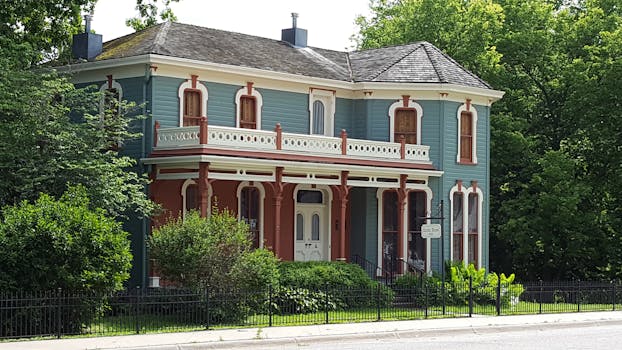
The Victorian era, spanning from the late 1830s to the early 1900s, was a transformative period in English history, marked by the advent of industrialization and urbanization. These seismic shifts had a profound impact on the social fabric of the nation, leading to the emergence of social class and inequality as a dominant concern in Victorian literature. As the Industrial Revolution gained momentum, the English economy underwent a radical metamorphosis, with the growth of factories, machinery, and mass production. This, in turn, led to the proliferation of urban centers, as people flocked from rural areas to cities in search of employment, resulting in the creation of new social hierarchies.
Authors such as Charles Dickens, Elizabeth Gaskell, and Thomas Hardy, among others, responded to these changes by crafting narratives that probed the complexities of social class and inequality. Dickens's Oliver Twist, for instance, offers a scathing critique of the social and economic conditions of the time, exposing the darker aspects of urban poverty and the struggles of the working class. Through the character of Oliver, Dickens humanizes the experiences of the marginalized, highlighting the need for social reform and compassion. Similarly, Gaskell's North and South explores the tensions between the industrialized north and the more refined, agrarian south, underscoring the regional and class divisions that characterized Victorian England.
The rapid growth of cities and the expansion of industry created new social problems, including overcrowding, poverty, and poor working conditions. The Victorian novelist, therefore, had to navigate these uncharted territories, often finding themselves at the forefront of social commentary and critique.
The impact of industrialization and urbanization on Victorian literature can be seen in several key areas, including:
- The rise of the social problem novel, which addressed issues such as poverty, crime, and social injustice
- The growth of realism, which sought to accurately depict the lives and experiences of the working class
- The increasing focus on the individual's relationship with society, including the tensions between personal identity and social responsibility
- The development of new narrative forms, such as the serialized novel, which allowed authors to reach a wider audience and engage with contemporary social issues
By examining the cultural and social context of Victorian England, it becomes clear that the theme of social class and inequality emerged as a dominant concern in literature due to the profound changes wrought by industrialization and urbanization. As the nation grappled with the consequences of these transformations, authors responded with works that probed the complexities of social hierarchy, inequality, and the human experience. Through their writings, they not only reflected the anxieties and concerns of their time but also helped shape the social and cultural discourse of Victorian England, leaving a lasting legacy in the literary canon.
Contemporary Relevance of Victorian Social Commentary
The Victorian era, marked by significant social and economic upheaval, gave rise to a plethora of literary works that continue to resonate with modern audiences. The portrayal of social class and inequality in Victorian novels, in particular, remains a scathing commentary on the social ills of the time, but also offers valuable insights into the ongoing struggles of contemporary society. Authors like Charles Dickens, Elizabeth Gaskell, and Thomas Hardy used their writing as a powerful tool to critique the social and economic systems of their time, shedding light on the stark realities of poverty, exploitation, and social injustice.
One of the most striking aspects of Victorian social commentary is its ability to transcend time and speak to modern concerns about social justice and equality. Despite the significant progress made in areas like civil rights and labor laws, many of the same issues that plagued Victorian society continue to persist today. The widening gap between the rich and the poor, the exploitation of the working class, and the marginalization of vulnerable populations are all themes that are eerily familiar to modern readers. For example, Dickens'
Oliver Twistand
David Copperfieldoffer powerful critiques of the social and economic systems that perpetuate poverty and inequality, themes that are just as relevant in today's discussions around economic inequality and social mobility.
A closer examination of Victorian literature reveals a number of key themes and motifs that continue to inform modern discussions on social justice and equality. Some of the most significant include:
- The dehumanizing effects of poverty and exploitation, as seen in the character of Oliver Twist, who is forced to navigate a harsh and unforgiving environment in order to survive.
- The corrupting influence of wealth and power, as exemplified by the character of Ebenezer Scrooge in
A Christmas Carol
, who must confront the error of his ways in order to find redemption. - The struggle for social mobility and the limitations placed on individuals by their social class, as seen in the character of Hetty Sorrel in
Adam Bede
, who is trapped by the societal expectations placed upon her.
These themes and motifs, among others, demonstrate the enduring relevance of Victorian social commentary and its ability to speak to modern concerns about social justice and equality. By examining the ways in which Victorian authors critiqued the social and economic systems of their time, we can gain a deeper understanding of the ongoing struggles of contemporary society and the importance of continued advocacy for social justice and equality.
Conclusion: Lasting Significance of Social Class in Victorian Novels
The Victorian novel's preoccupation with social class and inequality has left an indelible mark on literary and social discourse, continuing to resonate with contemporary audiences. Through the works of authors such as Charles Dickens, Elizabeth Gaskell, and Thomas Hardy, we gain insight into the socio-economic complexities of the Victorian era, and the ways in which social class shaped individual experiences and opportunities. The enduring impact of these novels lies in their ability to humanize the struggles of the working class, while also shedding light on the moral ambiguities of the affluent.
One of the most significant contributions of Victorian novels is their portrayal of the intersectionality of social class with other factors such as gender, race, and disability. For example, in Middlemarch, George Eliot explores the limitations placed on women from different social backgrounds, highlighting the ways in which class and gender intersect to shape their experiences. Similarly, in Oliver Twist, Dickens exposes the harsh realities of poverty and crime, while also underscoring the vulnerabilities of marginalized groups, such as children and the elderly.
The Victorian novel's nuanced exploration of social class has influenced generations of writers, from the Modernists to contemporary authors, who continue to grapple with the complexities of inequality and social justice.
The influence of Victorian novels can be seen in various aspects of modern literary and social discourse, including:
- The development of socialist and feminist movements, which drew on the novels' critiques of social and economic inequality
- The creation of welfare states and social safety nets, which aimed to address the poverty and deprivation depicted in the novels
- The emergence of new literary forms, such as the working-class novel and the protest novel, which built on the Victorian tradition of socially conscious fiction
As we continue to navigate the complexities of social class and inequality in the present day, the Victorian novel remains a vital and relevant part of our cultural heritage, offering valuable insights into the human experience and the ongoing struggle for social justice.
📖 Books Mentioned in This Article
📚 Related Articles
Unveiling Social Disparities
Delving into the world of Victorian literature, where social class and inequality reign supreme, revealing the intricacies of a bygone era
Victorian Shadows: Class & Inequality
Delve into the significant role of social class and inequality in shaping Victorian literature, reflecting the era's societal concerns and moral dilemmas, and influencing contemporary interpretations
Unveiling Inequality
Delving into the world of Victorian literature to understand the pervasive theme of social class and inequality, and its enduring impact on society
Victorian Lit Analysis
Delve into the world of Victorian Literature, where social change, industrialization, and literary innovation converged to produce some of the most iconic works in English literature