Sublime Landscapes

Share this article
Help others discover this article by sharing it
The significance of the sublime in nature can be seen in several key areas, including:
Introduction to the Sublime in Nature
The sublime, a profound and complex theme, has been a cornerstone of Romantic poetry, inspiring some of the most iconic and enduring works in literary history. At its core, the sublime refers to the experience of being overwhelmed by the sheer power, beauty, and majesty of nature, evoking feelings of awe, wonder, and even terror. This theme is significant in Romantic poetry, as it allows poets to explore the human condition, our place within the natural world, and the emotional and psychological responses that arise from our interactions with the environment.
One of the key aspects of the sublime in nature is its ability to evoke a sense of the unknown, the unexplored, and the uncontrollable. As the poet
William Wordsworthso eloquently expresses in his poem "Tintern Abbey," the natural world has the power to "disturb" and "impress" us, leaving an indelible mark on our psyche. The sublime, in this context, is not just a matter of appreciating the beauty of nature but also of confronting the limits of human knowledge and understanding. The Romantic poets, in their quest to capture the essence of the sublime, often employed techniques such as imagery, symbolism, and metaphor to convey the intensity and depth of the human experience.
The significance of the sublime in nature can be seen in several key areas, including:
- Emotional Response: The sublime evokes a range of emotions, from awe and wonder to fear and melancholy, allowing poets to explore the complexities of the human emotional landscape.
- Environmental Awareness: The sublime highlights the interconnectedness of human and natural systems, emphasizing the importance of preserving and respecting the natural world.
- Philosophical Inquiry: The sublime raises fundamental questions about the nature of reality, the human condition, and our place within the universe, encouraging poets to engage in philosophical and metaphysical speculation.
Through their exploration of the sublime in nature, Romantic poets such as Wordsworth, Coleridge, and Shelley created works that continue to inspire, provoke, and challenge readers to this day. By examining the theme of the sublime in nature, we gain a deeper understanding of the human experience, the natural world, and the complex, often contradictory, emotions that arise from our interactions with the environment.
Historical Development of the Sublime
The concept of the sublime has undergone significant transformations across various time periods, evolving from a philosophical and aesthetic idea in the 18th century to a cornerstone of Romantic literature. To understand the sublime's historical development, it is essential to explore its precursors, key figures, and literary works that have shaped this concept over time. The earliest precursors of the sublime can be found in the works of philosophers such as Edmund Burke and Immanuel Kant, who laid the groundwork for the idea that the sublime is an experience that evokes feelings of awe, wonder, and even terror.
One of the primary catalysts for the development of the sublime was the publication of Burke's A Philosophical Enquiry into the Origin of Our Ideas of the Sublime and Beautiful in 1757. In this influential treatise, Burke argued that the sublime is not just a product of reason, but also of emotion and imagination. He claimed that the sublime is characterized by its ability to evoke feelings of fear, awe, and wonder, often in response to vast, powerful, or overwhelming natural phenomena. For instance, Burke wrote,
whatever is fitted in any sort to excite the ideas of pain, and danger, that is, whatever is in any sort terrible, or is conversant about terrible objects, or operates in a manner analogous to terror, is a source of the sublime.This definition would later influence the Romantic writers, who sought to capture the sublime in their literary works.
As the concept of the sublime evolved, it became closely tied to the emergence of Romanticism in the late 18th and early 19th centuries. Romantic writers such as William Wordsworth, Samuel Taylor Coleridge, and Percy Bysshe Shelley drew upon Burke's ideas, incorporating elements of the sublime into their poetry and prose. Some notable examples of sublime literature from this period include:
- Wordsworth's Tintern Abbey, which explores the sublime in the natural world and the human experience of awe and wonder
- Coleridge's The Rime of the Ancient Mariner, which features a sublime and terrifying landscape of ice and sea
- Shelley's Mont Blanc, which describes the sublime power of nature and the human response to it
These works demonstrate the sublime's ability to evoke powerful emotions and challenge the individual's perception of the world. The historical development of the sublime is a testament to the concept's enduring influence on literature and art, and its continued relevance in contemporary culture. By examining the sublime's evolution over time, we can gain a deeper understanding of its significance and its role in shaping our understanding of the human experience.
In-Depth Analysis of Key Works: Exploring the Theme in Wordsworth's Prelude and Shelley's Mont Blanc
The theme of nature's influence on human perception and understanding is a pervasive one in the works of William Wordsworth and Percy Bysshe Shelley. Two of their most notable works, The Prelude and Mont Blanc, respectively, offer a unique insight into the ways in which the natural world shapes our experiences and informs our understanding of ourselves and the world around us. This section will provide a detailed examination of these two works, exploring how they embody the theme and what insights they offer into the human condition.
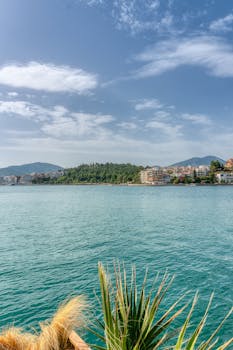
Wordsworth's The Prelude is a seminal work in the Romantic canon, and its exploration of the theme is both deeply personal and universally relatable. The poem is a spiritual autobiography, tracing the development of the poet's mind and its relationship to the natural world. Through a series of vivid and meticulously observed descriptions of the Lake District, Wordsworth reveals the ways in which nature has shaped his own perceptions and understanding of the world. For example, in Book I, he writes:
"...the Prelude to a poem, that I have meditated, on the growth of my own mind, and the way in which my perceptions of nature were influenced by my early associations and habits."
This passage highlights the central concern of the poem, which is to explore the ways in which the natural world has shaped the poet's own mind and understanding. Through a series of recollections and reflections, Wordsworth demonstrates the profound impact that nature has had on his own development, from his childhood experiences of the sublime to his later, more nuanced appreciation of the natural world.
In contrast, Shelley's Mont Blanc offers a more abstract and philosophical exploration of the theme. The poem is a meditation on the power and majesty of the natural world, and the ways in which it can inspire and overwhelm human understanding. Through a series of vivid and evocative descriptions of the mountain landscape, Shelley reveals the sublime and transcendent qualities of nature, and the ways in which they can challenge and transform human perception. For example, in the following passage, he writes:
"The everlasting universe of things / Flows through the mind, and rolls its rapid waves, / Now dark, now bright, now black, now radiant, / In constant change, yet still the same."
This passage highlights the central concern of the poem, which is to explore the dynamic and constantly changing relationship between the human mind and the natural world. Through a series of imagery and symbolism, Shelley demonstrates the ways in which the natural world can inspire and transform human understanding, revealing the deeper, more profound connections that exist between the human and natural worlds.
One of the key insights offered by these two works is the importance of nature as a source of inspiration and guidance for human life. Both Wordsworth and Shelley demonstrate the ways in which the natural world can shape our perceptions and understanding, and offer a profound sense of connection and belonging to the world around us. As the following points highlight, this theme is developed in a number of ways throughout the two works:
- The use of natural imagery and symbolism to convey complex emotions and ideas, such as the use of the mountain landscape in Mont Blanc to represent the sublime and transcendent qualities of nature.
- The emphasis on the importance of personal experience and observation in shaping our understanding of the natural world, as seen in Wordsworth's recollections of his childhood experiences in The Prelude.
- The exploration of the relationship between the human mind and the natural world, and the ways in which they intersect and inform one another, as seen in Shelley's meditation on the power and majesty of the natural world in Mont Blanc.
- The use of the natural world as a source of inspiration and guidance for human life, as seen in the ways in which both Wordsworth and Shelley draw on their experiences of nature to inform their understanding of themselves and the world around them.
Overall, the works of Wordsworth and Shelley offer a profound and insightful exploration of the theme of nature's influence on human perception and understanding. Through their meticulous observations, vivid imagery, and abstract philosophical meditations, they reveal the complex and dynamic relationship between the human and natural worlds, and offer a deeper understanding of the ways in which nature can shape and transform human experience.
Literary Techniques for Conveying the Sublime
The concept of the sublime has long fascinated authors, who have employed a range of literary techniques to explore the intersection of nature and the sublime. Through the strategic use of imagery, symbolism, and other literary devices, authors can evoke feelings of awe, wonder, and even terror in their readers, drawing them into the vast and often overwhelming realm of the natural world. One of the primary ways authors convey the sublime is through vivid and powerful imagery, which serves to transport readers to the midst of the natural landscape. For example, in her poem "Nocturne," Sylvia Plath writes:
The moon, also, has been known to glow / With a soft, ethereal light, / Illuminating all that's dark below, / And bringing forth the night's delight.Here, Plath's use of imagery creates a sense of the sublime by emphasizing the moon's otherworldly glow and its power to illuminate the darkness, drawing the reader into the mystical and dreamlike world of the night.
Authors also employ symbolism to convey the sublime, often using natural objects or phenomena to represent the vast and unknowable forces that shape our world. In Herman Melville's Moby-Dick, the white whale serves as a symbol of the sublime, embodying the mysterious and often terrifying power of the natural world. As Melville writes:
All my means are sane, my motive and my object mad.Here, the whale represents the unattainable and unknowable, driving the narrator to the brink of madness in his quest for understanding and connection with the natural world.
Other literary devices, such as metaphor and personification, are also used to convey the sublime. For instance, in William Wordsworth's poem "I Wandered Lonely as a Cloud," the natural world is personified as a dynamic and ever-changing force, with the clouds and flowers moving and interacting with the poet in a dance-like rhythm. This creates a sense of the sublime by emphasizing the interconnectedness of all living things and the power of nature to inspire and transform the human experience. Some of the key literary devices used to convey the sublime include:
- Imagery: used to create vivid and powerful descriptions of the natural world, drawing the reader into the midst of the landscape.
- Symbolism: used to represent the vast and unknowable forces that shape our world, often through natural objects or phenomena.
- Metaphor: used to create powerful and evocative comparisons between the natural world and human experience, emphasizing the interconnectedness of all living things.
- Personification: used to attribute human-like qualities to the natural world, creating a sense of dynamic movement and interaction between the poet and the landscape.
By employing these literary devices, authors can evoke the sublime, drawing readers into the vast and often overwhelming realm of the natural world. Through the strategic use of imagery, symbolism, and other literary techniques, authors can create a sense of awe, wonder, and even terror, inspiring readers to contemplate the mysteries and wonders of the natural world.
Cultural and Social Context of the Sublime
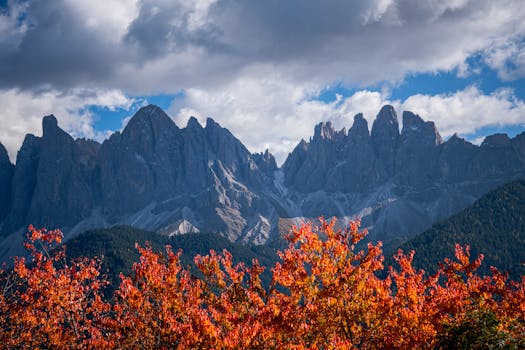
The theme of nature and the sublime emerged during the Romantic era as a response to the profound cultural and social transformations of the time. The Industrial Revolution, which was gaining momentum in the late 18th and early 19th centuries, had a profound impact on the way people perceived and interacted with nature. As the natural world was increasingly exploited for industrial purposes, the Romantics began to seek solace in the sublime, finding comfort in the awe-inspiring and often terrifying power of the natural world.
The changing attitudes towards nature during this period were complex and multifaceted. On the one hand, the Industrial Revolution had created a sense of disconnection from the natural world, as people moved from rural areas to cities and became increasingly dependent on machines and technology. On the other hand, the Romantics saw nature as a source of inspiration, a symbol of the sublime and the transcendent. As
William Wordsworthwrote in his poem "Tintern Abbey," the natural world had the power to "teach us / To look beyond the fleeting interests of the hour" and to "connect / The landscape with the quiet of the sky."
The sublime, in particular, became a central theme in Romantic literature, as writers such as Wordsworth, Samuel Taylor Coleridge, and Percy Bysshe Shelley sought to capture the beauty and terror of the natural world. The sublime was not just a aesthetic concept, but a way of experiencing and understanding the world. It was a way of transcending the mundane and the ordinary, and of connecting with something greater than oneself. As the following examples illustrate, the sublime was a key element of Romantic literature:
- The
mountain landscapes
of Wordsworth's "The Prelude," which evoke a sense of awe and wonder at the power of nature. - The
sea storms
of Coleridge's "The Rime of the Ancient Mariner," which symbolize the terrifying and sublime power of the natural world. - The
imagery of light and darkness
in Shelley's "Prometheus Unbound," which represents the struggle between the human spirit and the forces of nature.
These examples demonstrate how the Romantics used the theme of nature and the sublime to explore fundamental questions about the human condition, such as the nature of beauty, the power of the human spirit, and the relationship between the individual and the natural world. By examining the cultural and social context of the sublime, we can gain a deeper understanding of the Romantics' fascination with nature and the sublime, and appreciate the enduring significance of their literary works.
Contemporary Relevance of the Sublime in Nature
The concept of the sublime in nature, a staple of Romantic poetry, continues to exert a profound influence on contemporary literature and art. This theme, which emphasizes the awe-inspiring and often terrifying power of the natural world, remains a vital force in modern creative expression. The Romantic poets, such as Wordsworth and Coleridge, were instrumental in shaping this aesthetic, and their works continue to inspire new generations of artists and writers. In contemporary literature, the sublime in nature is often invoked to explore the complex relationships between humans and the environment, as well as the fragility and beauty of the natural world.
A closer examination of modern interpretations reveals a nuanced and multifaceted understanding of the sublime. For instance,
the works of poets like Mary Oliver and Adrienne Rich, who draw upon the natural world to explore themes of identity, spirituality, and social justice, demonstrate the enduring relevance of the sublime in contemporary poetry. Moreover, the rise of eco-poetry and environmental literature has led to a renewed focus on the sublime as a means of exploring the intricate web of relationships between humans and the natural world. This is evident in the works of poets like
- Camille Dungy, whose poetry collection Trophies explores the intersections of nature, identity, and social justice
- Mark Doty, whose poetry often invokes the sublime to explore the complex relationships between humans and the natural world
Furthermore, the sublime in nature has also had a significant impact on contemporary art, with many artists drawing upon the natural world to create works that evoke a sense of awe, wonder, and terror. The use of landscape photography, environmental installation art, and other mediums has allowed artists to explore the sublime in new and innovative ways, often incorporating elements of technology and digital media to create immersive and interactive experiences. This is evident in the works of artists like
- Ansel Adams, whose landscape photography often invoked the sublime to explore the beauty and power of the natural world
- Agnes Denes, whose environmental art installations often incorporate elements of the sublime to explore the complex relationships between humans and the natural world
Conclusion: The Lasting Significance of the Sublime
The sublime, as a literary and aesthetic theme, has left an indelible mark on the cultural landscape. The concept, which emerged in the 18th century, continues to influence literature, art, and popular culture to this day. The enduring legacy of the sublime can be attributed to its ability to evoke a profound sense of awe, wonder, and even fear in the face of nature's majesty. As the renowned literary critic,
Longinus, once noted, "the sublime is the echo of the infinite", a sentiment that remains relevant in contemporary discourse.
The sublime's persistence in modern culture can be seen in various forms of artistic expression. For instance, in literature, authors such as Cormac McCarthy and Annie Proulx continue to explore the human relationship with the natural world, often invoking the sublime to convey the beauty and terror of the unknown. In art, the works of landscape photographers like Ansel Adams and Sebastião Salgado capture the majesty and power of the natural world, inspiring a sense of awe and reverence in the viewer. Furthermore, the sublime's influence can be seen in popular culture, with films like Interstellar and Gravity using stunning visuals to convey the vastness and mystery of the universe.
- The prevalence of nature documentaries, such as Blue Planet and Planet Earth, which showcase the beauty and complexity of the natural world, often using sublime imagery to convey the importance of conservation and environmentalism.
- The rise of eco-fiction, a literary genre that explores the human relationship with the environment, often invoking the sublime to convey the urgency of environmental issues.
- The continued popularity of outdoor activities, such as hiking and rock climbing, which allow individuals to experience the sublime firsthand, fostering a deeper appreciation for the natural world.
These examples demonstrate the sublime's lasting significance in contemporary culture, highlighting its ability to inspire, educate, and provoke. As a literary and aesthetic theme, the sublime remains a powerful tool for exploring the human relationship with the natural world, encouraging us to contemplate our place within the larger universe.

📖 Books Mentioned in This Article
📚 Related Articles
Nature's Majesty: The Sublime
Delve into the world of Romantic poetry, where nature's beauty and power evoke feelings of awe, wonder, and the sublime, and uncover the significance of this theme in literature and its enduring impact on contemporary thought
Sublime Nature
Delve into the world of Romantic Poetry, where Nature and the Sublime converge, shaping the literary landscape and influencing generations of writers and thinkers, with lasting impact on our understanding of the human experience
Nature's Majesty
Delve into the significance of Nature and the Sublime in Romantic Poetry, understanding its impact on literature and its continued relevance in modern interpretations, with a focus on the historical development and cultural context of the theme
Romanticism
Delve into the world of Romanticism, where emotion, nature, and individualism reign supreme, and explore its lasting impact on literature