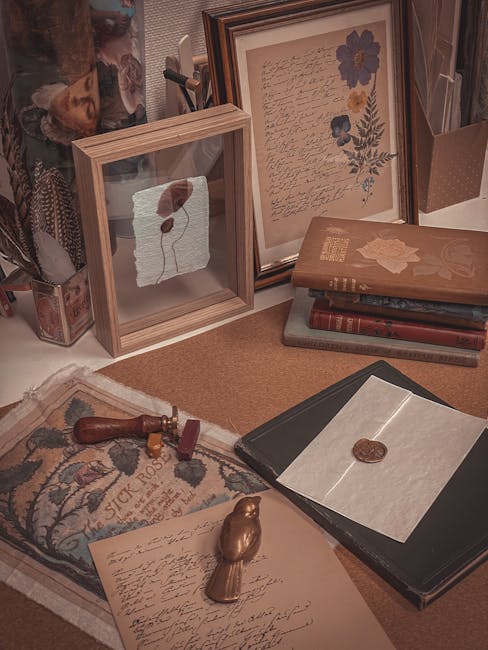
Introduction to Epistolary Novel: Unveiling the Genre's Intricacies
The epistolary novel, a literary genre that has been fascinating readers for centuries, is a unique and captivating form of storytelling that warrants closer examination. At its core, the epistolary novel is a work of fiction composed of a series of documents, often in the form of letters, diaries, or other personal correspondence, that collectively recount a narrative. This distinctive approach to storytelling allows authors to experiment with multiple narrative voices, perspectives, and styles, resulting in a rich and complex literary experience.
Key Points:
Some notable features of the epistolary novel include:.
As a genre, it continues to evolve and adapt, reflecting the changing needs and concerns of authors and readers alike.
Similarly, Rousseau's Julie, or the New Heloise (1761) employs the epistolary format to explore themes of love, morality, and social class.
As the genre evolved, authors began to experiment with new forms and styles, incorporating diverse documents and narrative voices into their works.
These works demonstrate the versatility and adaptability of the epistolary novel, as authors continued to push the boundaries of the genre.
The epistolary novel is a unique literary genre that tells a story through a series of documents, such as letters, diaries, and newspaper articles, offering a fresh perspective on storytelling and character development, as seen in classics like Dracula and The Color Purple, which have captivated readers with their innovative narrative structures
Read more →
Discover the unique characteristics of epistolary novels, from their origins to modern adaptations, and understand what makes this literary genre so enduring and influential, with a focus on Dracula and The Color Purple
Read more →
One of the key characteristics of the epistolary novel is its ability to create a sense of intimacy and immediacy, as readers are presented with the unedited thoughts and feelings of the characters. This is evident in novels such as Bram Stoker's Dracula, where the use of letters, diaries, and newspaper articles creates a sense of realism and urgency, drawing the reader into the world of the novel. The epistolary format also enables authors to explore themes and ideas in a non-linear fashion, as the reader is presented with a series of fragmented narratives that must be pieced together to form a cohesive whole.
The epistolary novel's unique structure and style have made it a popular choice for authors seeking to experiment with narrative form and push the boundaries of literary convention.
Historically, the epistolary novel emerged in the 18th century, with works such as Samuel Richardson's Pamela and Jean-Jacques Rousseau's Julie, or the New Heloise exemplifying the genre's early forms. Since then, the epistolary novel has continued to evolve, with authors such as Alice Walker and Stephen King employing the genre to explore a range of themes and ideas. Some notable features of the epistolary novel include:
The use of multiple narrative voices and perspectives, which can create a sense of complexity and depth
The incorporation of non-literary documents, such as letters, diaries, and newspaper articles, which can add a sense of realism and authenticity
The ability to experiment with non-linear narrative structures, which can create a sense of suspense and intrigue
The exploration of themes and ideas in a fragmented and piecemeal fashion, which can reflect the disjointed nature of human experience
Through its unique blend of narrative forms and styles, the epistolary novel offers a distinctive and captivating literary experience, one that rewards close reading and reflection. As a genre, it continues to evolve and adapt, reflecting the changing needs and concerns of authors and readers alike. In the following sections, we will delve deeper into the world of the epistolary novel, exploring its key characteristics, historical context, and literary significance in greater detail.
The Origins of Epistolary Novel: Unveiling the Historical Beginnings and Evolution of a Genre
The epistolary novel, a literary genre characterized by its use of letters, diaries, and other documents to narrate a story, has a rich and fascinating history that spans centuries. Emerging in the 18th century, this genre has undergone significant transformations, influenced by the social, cultural, and literary contexts of its time. To understand the evolution of the epistolary novel, it is essential to delve into its historical beginnings and explore how it has adapted to modern applications.
Photo by cottonbro studio on Pexels
The early roots of the epistolary novel can be traced back to the 18th-century literature, particularly in the works of Samuel Richardson and Jean-Jacques Rousseau. Richardson's Pamela, or Virtue Rewarded (1740) is often considered one of the first epistolary novels, comprising a series of letters that recount the story of a young woman's struggles and triumphs. Similarly, Rousseau's Julie, or the New Heloise (1761) employs the epistolary format to explore themes of love, morality, and social class. These pioneering works established the epistolary novel as a distinct genre, characterized by its use of personal, introspective documents to convey the inner lives and emotions of characters.
The epistolary format allowed authors to experiment with new narrative techniques, creating a sense of immediacy and intimacy with the reader. By presenting the story through the lens of personal documents, authors could explore complex themes and emotions in a more nuanced and subtle manner.
As the genre evolved, authors began to experiment with new forms and styles, incorporating diverse documents and narrative voices into their works. For example, Mary Shelley's Frankenstein (1818) uses a combination of letters, diaries, and narrative fragments to tell the story of Victor Frankenstein's ill-fated creation. Similarly, Bram Stoker's Dracula (1897) employs a range of documents, including letters, diaries, and newspaper articles, to recount the terrifying tale of the vampire Count Dracula. These works demonstrate the versatility and adaptability of the epistolary novel, as authors continued to push the boundaries of the genre.
Key Features of the Epistolary Novel
The use of personal documents, such as letters, diaries, and journals, to narrate the story
A focus on the inner lives and emotions of characters, creating a sense of intimacy and immediacy with the reader
Experimentation with narrative techniques, including non-linear storytelling and multiple narrative voices
A blend of fact and fiction, as authors often incorporated real historical events and figures into their works
In modern times, the epistolary novel has continued to evolve, incorporating new forms and technologies into its narrative structure. Contemporary authors, such as Alice Walker and Amy Tan, have used the epistolary format to explore themes of identity, culture, and social justice. The rise of digital media has also led to the emergence of new forms of epistolary narrative, including email, text messages, and social media posts. As the genre continues to adapt to changing literary and cultural landscapes, its historical beginnings and evolution remain an essential part of its ongoing story.
Ultimately, the epistolary novel's enduring appeal lies in its ability to capture the complexities and nuances of human experience, using the intimate and personal format of letters and documents to convey the depths of human emotion and thought. As a genre, it continues to inspire authors and readers alike, offering a unique perspective on the human condition and the power of storytelling.
Key Elements of Epistolary Novel: A Deeper Exploration
The epistolary novel, a literary genre that has been a cornerstone of storytelling for centuries, is characterized by its unique narrative structure, which employs a series of documents, such as letters, diaries, and newspaper clippings, to convey the story. This genre has been a favorite among authors, as it allows for the creation of complex, multi-layered narratives that blur the lines between reality and fiction. One of the most significant examples of an epistolary novel is Bram Stoker's Dracula, which uses a collection of letters, diaries, and newspaper articles to tell the story of the iconic vampire Count Dracula.
One of the defining characteristics of the epistolary novel is the use of multiple narrative voices. In Dracula, for example, the story is told through the perspectives of several characters, including Jonathan Harker, Mina Murray, and Dr. John Seward. This multi-voiced narrative creates a sense of immediacy and intimacy, as the reader is able to experience the story through the eyes of different characters. This technique also allows for the exploration of different themes and ideas, as each character brings their own unique perspective to the narrative. As
the use of multiple narrative voices creates a sense of depth and complexity, allowing the reader to piece together the story like a puzzle
, the epistolary novel becomes a dynamic and engaging reading experience.
Another key element of the epistolary novel is its non-linear storytelling. Unlike traditional novels, which often follow a chronological structure, epistolary novels can jump back and forth in time, creating a sense of disjointedness and fragmentation. In Dracula, for example, the story begins with Jonathan Harker's journey to Transylvania, but soon jumps forward in time to Mina Murray's diary entries, which describe the events that have occurred since Harker's departure. This non-linear structure creates a sense of suspense and tension, as the reader is forced to piece together the story from disparate sources. The use of non-linear storytelling also allows for the exploration of different narrative techniques, such as
unreliable narration, where the reader is forced to question the accuracy of the narrative
non-chronological ordering, where the events are presented out of chronological order
multiple narrative threads, where the story is told through multiple, intersecting storylines
Finally, the epistolary novel is also characterized by its blurring of reality and fiction. By using real documents, such as letters and diaries, the epistolary novel creates a sense of realism and immediacy, drawing the reader into the world of the story. In Dracula, for example, the use of newspaper articles and ship's logs creates a sense of historical authenticity, making the supernatural events of the story seem all the more believable. As
the epistolary novel walks the line between reality and fiction, creating a sense of uncertainty and ambiguity
, the reader is forced to question what is real and what is not, creating a sense of engagement and participation in the narrative.
In conclusion, the epistolary novel is a unique and fascinating literary genre, characterized by its use of multiple narrative voices, non-linear storytelling, and blurring of reality and fiction. Through the use of these techniques, authors such as Bram Stoker have been able to create complex, engaging narratives that draw the reader in and refuse to let go. As a literary device, the epistolary novel continues to be a powerful tool for storytellers, allowing them to experiment with narrative structure and push the boundaries of what is possible in the world of fiction.
Major Works and Authors in Epistolary Novel
The epistolary novel, a genre characterized by its use of letters, diaries, and other forms of correspondence to narrate a story, has a rich and varied history. From its early beginnings to the present day, this genre has been shaped by numerous authors and works, each contributing to its development and popularity. In this section, we will delve into some notable examples of epistolary novels, including Bram Stoker's Dracula and Alice Walker's The Color Purple, to explore the ways in which they have influenced the genre and continue to captivate readers.
One of the most iconic examples of an epistolary novel is Bram Stoker's Dracula, published in 1897. This Gothic horror novel tells the story of Count Dracula's move from Transylvania to England and his subsequent preying on humans. The novel is composed of letters, diaries, and newspaper articles, which creates a sense of immediacy and intimacy. As the narrator, Jonathan Harker, writes in his diary,
"The castle is a veritable prison, and I am a prisoner in it. I have tried to escape, but it is impossible. The doors are locked, the windows are barred, and I am at the mercy of the Count."
This quote illustrates the epistolary format's ability to create a sense of claustrophobia and isolation, drawing the reader into the world of the novel.
Another significant work in the epistolary genre is Alice Walker's The Color Purple, published in 1982. This Pulitzer Prize-winning novel is composed of letters written by the protagonist, Celie, to God. Through these letters, Celie tells the story of her life, from her childhood in rural Georgia to her struggles with poverty, abuse, and racism. The epistolary format allows for a deeply personal and introspective narrative, as Celie writes,
"I'm poor, black, I may be ignorant, but I'm here, I'm here, I'm here, and I'm gonna stay here until I get what I want."
This quote highlights the ways in which the epistolary format can be used to explore themes of identity, oppression, and resistance.
In addition to these notable works, other significant epistolary novels include Pamela, or Virtue Rewarded by Samuel Richardson, Clarissa by Samuel Richardson, and Dr. Jekyll and Mr. Hyde by Robert Louis Stevenson. These novels demonstrate the versatility and range of the epistolary genre, from its use in exploring themes of morality and virtue to its application in horror and science fiction. Some key features of the epistolary novel include:
The use of multiple narrative voices and perspectives, which creates a sense of complexity and depth.
The employment of various forms of correspondence, such as letters, diaries, and newspaper articles, which adds to the sense of realism and immediacy.
The exploration of themes related to identity, morality, and social justice, which allows for a nuanced and thought-provoking reading experience.
The creation of a sense of intimacy and immediacy, which draws the reader into the world of the novel and fosters a strong emotional connection with the characters.
These features, among others, have contributed to the enduring popularity of the epistolary novel. By examining the ways in which authors have used the epistolary format to explore themes and create narrative structures, we can gain a deeper understanding of the genre and its significance in literary history. Furthermore, the epistolary novel's ability to adapt to different historical and cultural contexts has allowed it to remain a vital and dynamic genre, with new works being written and published to this day.
Photo by Edalisu . on Pexels
For example, contemporary authors such as Where'd You Go, Bernadette by Maria Semple and The Guernsey Literary and Potato Peel Pie Society by Mary Ann Shaffer have used the epistolary format to explore themes related to family, identity, and social justice. These works demonstrate the ongoing relevance and versatility of the epistolary genre, as well as its ability to engage readers and inspire new generations of writers. As we continue to explore the epistolary novel and its many manifestations, we may uncover new insights into the human experience and the power of storytelling.
In conclusion, the epistolary novel has a rich and varied history, with numerous authors and works contributing to its development and popularity. From Bram Stoker's Dracula to Alice Walker's The Color Purple, these novels have used the epistolary format to explore themes related to identity, morality, and social justice, creating a sense of intimacy and immediacy that draws readers into their worlds. As we continue to examine and analyze the epistolary genre, we may gain a deeper understanding of its significance in literary history and its ongoing relevance in contemporary literature.
The Evolution of Epistolary Novel Over Time
The epistolary novel, a genre that originated in the 18th century, has undergone significant transformations over the years, adapting to new technologies, social norms, and literary trends. This genre, characterized by its use of letters, diaries, and other documents to tell a story, has demonstrated an remarkable ability to evolve and reinvent itself in response to changing times. From the early experiments of Samuel Richardson and Jean-Jacques Rousseau to modern digital innovations, the epistolary novel has continued to captivate readers and push the boundaries of literary expression.
One of the key factors driving the evolution of the epistolary novel has been the advent of new technologies. The rise of digital media and online platforms has enabled authors to experiment with new forms of storytelling, such as email, text messages, and social media posts. For example, Jennifer Egan's A Visit from the Goon Squad (2010) features a chapter written in the form of a PowerPoint presentation, while David Levithan's Every You, Every Me (2011) incorporates photographs, notes, and other visual elements to tell its story. These innovations have not only expanded the possibilities of the epistolary novel but also allowed authors to engage with contemporary themes and issues, such as the impact of technology on human relationships and the blurring of boundaries between public and private spaces.
The epistolary novel's ability to adapt to new technologies and social norms has been a key factor in its enduring popularity, as it allows authors to tap into the cultural zeitgeist and explore the complexities of modern life.
In addition to technological advancements, the epistolary novel has also been influenced by shifting literary trends and social norms. The rise of postmodernism and metafiction, for instance, has led to a greater emphasis on self-reflexivity and playfulness in epistolary novels. Authors such as Italo Calvino and Thomas Pynchon have used the epistolary form to subvert traditional notions of narrative and challenge readers' expectations. Similarly, the increasing recognition of diverse voices and perspectives has led to a more inclusive and diverse range of epistolary novels, such as The Brief Wondrous Life of Oscar Wao (2007) by Junot Díaz, which blends elements of science fiction, fantasy, and Caribbean culture.
The incorporation of non-traditional narrative forms, such as comics, graphs, and other visual elements, has further expanded the possibilities of the epistolary novel.
The use of digital platforms, such as blogs, social media, and online forums, has enabled authors to engage with readers and create interactive, immersive storytelling experiences.
The exploration of contemporary themes, such as identity, community, and social justice, has allowed epistolary novels to remain relevant and timely, speaking to the concerns and interests of modern readers.
As the epistolary novel continues to evolve, it is likely that we will see even more innovative and experimental forms emerge, pushing the boundaries of the genre and challenging readers to think critically about the nature of storytelling and the role of technology in shaping our experiences. By examining the ways in which the epistolary novel has adapted to new technologies, social norms, and literary trends, we can gain a deeper understanding of the genre's enduring appeal and its continued relevance in the digital age.
Epistolary Novel's Influence on Modern Media
The epistolary novel, a genre characterized by its use of letters, diaries, and other documents to tell a story, has had a profound influence on modern media. This literary tradition, which dates back to the 18th century, has evolved over time and has been adapted in various forms of contemporary media, including film, television, and digital media. The epistolary novel's unique narrative structure, which presents a story through fragmented and subjective perspectives, has inspired a range of techniques used in modern storytelling.
One notable example of the epistolary novel's influence on modern media is the use of found footage and mockumentary styles in film and television. The TV show The Office, for instance, employs a mockumentary style, where the characters frequently break the fourth wall and address the camera, creating a sense of intimacy and immediacy. This technique owes a debt to the epistolary tradition, where the reader is presented with a personal and unmediated account of the characters' thoughts and feelings. Similarly, the film Paranormal Activity uses found footage to create a sense of realism and immediacy, drawing the viewer into the world of the film.
Other examples of the epistolary novel's influence on modern media include the use of vlogs, blogs, and social media posts as narrative devices. The TV show Modern Family, for instance, uses a mockumentary style, where the characters frequently address the camera and share their thoughts and feelings through interviews and confessional sessions. This technique creates a sense of intimacy and immediacy, drawing the viewer into the world of the show. The use of social media posts and texts as narrative devices in films like Unfriended and Searching also owes a debt to the epistolary tradition, where the reader is presented with a fragmented and subjective account of the characters' thoughts and feelings.
The use of found footage and mockumentary styles in film and television creates a sense of realism and immediacy, drawing the viewer into the world of the story.
The employment of vlogs, blogs, and social media posts as narrative devices creates a sense of intimacy and immediacy, allowing the viewer to experience the story in a more personal and unmediated way.
The epistolary novel's influence on modern media can also be seen in the use of non-linear narrative structures, where the story is presented through fragmented and subjective perspectives.
The epistolary novel's influence on modern media is a testament to the power of this literary tradition to shape and inspire new forms of storytelling. By adapting the epistolary novel's unique narrative structure and techniques, contemporary media creators can create innovative and engaging stories that draw the viewer into the world of the narrative.
In conclusion, the epistolary novel's influence on modern media is a significant and far-reaching phenomenon. The use of found footage, mockumentary styles, and other techniques inspired by the epistolary tradition has created new possibilities for storytelling in film, television, and digital media. As media creators continue to experiment with new forms and techniques, the epistolary novel's legacy will remain an important part of the contemporary media landscape.
Conclusion: The Enduring Significance of Epistolary Novel
The epistolary novel, a genre characterized by its use of letters, diaries, and other documents to narrate a story, has been a staple of literature for centuries. Despite the passage of time, this genre remains remarkably relevant today, offering a unique perspective on the human experience. The epistolary novel's innovative narrative structures, which provide an intimate and personal glimpse into the lives of characters, continue to inspire writers, filmmakers, and artists across various mediums. For instance, the success of Dear John by Nicholas Sparks and The Guernsey Literary and Potato Peel Pie Society by Mary Ann Shaffer and Annie Barrows demonstrates the enduring appeal of the epistolary format. Moreover, the rise of digital communication has made the epistolary novel more relevant than ever, as people increasingly express themselves through emails, text messages, and social media posts.
The epistolary novel's ability to capture the complexities and nuances of human relationships, as seen in novels like Dracula by Bram Stoker, which uses a series of letters and diary entries to tell the story of the vampire Count Dracula, has ensured its continued influence in modern literature. The genre's influence can also be seen in other forms of media, such as film and television, where the use of epistolary formats has become increasingly popular. For example, the TV show Letters from Iwo Jima and the film The Lake House both use the epistolary format to tell their stories. The reasons for the epistolary novel's continued relevance and influence are numerous and can be summarized as follows:
Provides a unique and intimate perspective on the human experience
Allows for the exploration of complex and nuanced themes, such as identity, memory, and relationships
Offers a flexible and innovative narrative structure, which can be adapted to a wide range of stories and genres
Reflects the changing nature of communication and technology, making it a relevant and timely genre
The epistolary novel's ability to capture the inner lives and thoughts of characters, as well as its innovative use of narrative structure, has made it a enduring and influential genre in literature and beyond.
As a result, the epistolary novel continues to be a vital and dynamic genre, inspiring new generations of writers, filmmakers, and artists. Its unique perspective on the human experience, combined with its innovative narrative structures, ensures that it will remain a relevant and influential force in modern literature and beyond.