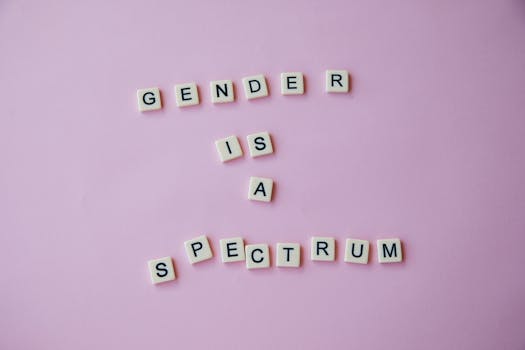
Introduction to Gender and Power: Unpacking the Complex Dynamics
The theme of gender and power is a pervasive and intricate aspect of literary studies, weaving a complex tapestry of social, cultural, and psychological dynamics. At its core, this theme seeks to explore the ways in which societal structures and norms shape the relationships between individuals, particularly in terms of their gender identities and the exercise of power. This multifaceted theme is crucial in understanding the human experience, as it reveals the deep-seated mechanisms that govern our interactions, desires, and perceptions. The importance of examining gender and power in literature lies in its ability to illuminate the subtle yet profound ways in which these forces influence our lives, often operating beneath the surface of conscious awareness.
Key Points:
Some of the key aspects of this theme include:.
The 19th century was a transformative period for gender roles and power structures, marked by significant social, economic, and cultural changes.
These novels demonstrate the tension between individual desire and societal obligation, highlighting the intricate power dynamics at play.
The significance of the theme of gender and power extends beyond the literary realm, speaking to broader social and cultural issues.
As the Industrial Revolution took hold, traditional notions of masculinity and femininity were challenged, and new ideals emerged.
Delving into the intricate relationships between gender and power in 19th century literature, revealing the societal commentary that still resonates today, with a focus on feminist theory and literary analysis
Read more →
The portrayal of gender and power in 19th century literature reveals the societal constraints and expectations placed on individuals, shaping our understanding of identity, class, and relationships
Read more →
Delving into the intricacies of gender and power in 19th century literature reveals profound insights into societal norms, feminist movements, and the human condition, making this theme a cornerstone of literary analysis
Read more →
Through the lens of literary analysis, we can observe how authors use the theme of gender and power to critique, subvert, or reinforce dominant ideologies. For instance, in works like Jane Austen's Pride and Prejudice or Charlotte Brontë's Jane Eyre, we see the ways in which women navigate a patriarchal society, often finding themselves constrained by the limited roles and expectations imposed upon them. These novels demonstrate the tension between individual desire and societal obligation, highlighting the intricate power dynamics at play. As the renowned literary critic,
Martha Nussbaum, notes, "The novels of Jane Austen are not just delightful comedies of manners, but also profound explorations of the human condition, revealing the complex interplay between reason, emotion, and social norms."
The significance of the theme of gender and power extends beyond the literary realm, speaking to broader social and cultural issues. By examining the representation of gender and power in literature, we can gain insight into the ways in which these constructs shape our understanding of identity, relationships, and societal hierarchies. Some of the key aspects of this theme include:
The performance of gender and its relation to power, as seen in the works of authors like Judith Butler or Simone de Beauvoir
The intersectionality of gender with other social categories, such as race, class, and sexuality, as explored in the writings of authors like Toni Morrison or Audre Lorde
The ways in which literary texts reflect, challenge, or reinforce dominant ideologies, as observed in the novels of authors like George Orwell or Margaret Atwood
Ultimately, the theme of gender and power serves as a powerful tool for literary analysis, allowing us to uncover the complex dynamics that underlie human relationships and societal structures. By examining the ways in which authors represent and explore this theme, we can gain a deeper understanding of the ways in which literature reflects and shapes our understanding of the world around us.
Historical Context: The Evolution of Gender Roles
The 19th century was a transformative period for gender roles and power structures, marked by significant social, economic, and cultural changes. As the Industrial Revolution took hold, traditional notions of masculinity and femininity were challenged, and new ideals emerged. This evolution had a profound impact on literature, with authors reflecting and shaping societal attitudes towards gender. In this context, it is essential to examine the transformation of gender roles and power structures across the 19th century, and how they influenced literary works.
Photo by Laker on Pexels
During the early 19th century, women's roles were largely confined to the domestic sphere, with limited access to education, employment, and political participation. The ideal of the "angel in the house" perpetuated the notion that women were nurturing, submissive, and dedicated to their families. However, as the century progressed, women's rights movements and feminist ideologies began to challenge these constraints. The emergence of women like Mary Wollstonecraft, Elizabeth Cady Stanton, and Susan B. Anthony, who advocated for women's equality and suffrage, marked a significant shift in the struggle for women's rights.
The idea that women were inferior to men was deeply ingrained in societal attitudes, but the 19th century saw a growing recognition of women's capabilities and contributions to society. As women's education and employment opportunities expanded, they began to participate in public life, engage in intellectual pursuits, and challenge traditional notions of femininity.
This transformation is evident in literary works of the time, such as Jane Austen's Pride and Prejudice and the Brontë sisters' novels. These authors portrayed strong, independent female characters who navigated the complexities of relationships, family, and social expectations. The characters of Elizabeth Bennet and Jane Eyre, for example, embody the tensions between traditional femininity and emerging feminist ideals. They demonstrate a growing awareness of women's agency and autonomy, as well as the social and economic constraints that limited their choices.
The rise of the women's suffrage movement, which gained momentum in the late 19th century, further accelerated the transformation of gender roles. Authors like Elizabeth Gaskell and George Eliot addressed the social and economic realities of women's lives, highlighting the need for greater equality and justice.
The emergence of new literary forms, such as the novel and the short story, provided a platform for authors to explore themes related to gender, identity, and social change. These genres allowed for more nuanced and complex portrayals of women's experiences, challenging traditional notions of femininity and masculinity.
The influence of other social and cultural movements, such as the abolitionist movement and the rise of socialism, also contributed to the evolution of gender roles. These movements emphasized the importance of equality, justice, and human rights, which, in turn, informed the struggle for women's rights and the transformation of gender roles.
The evolution of gender roles across the 19th century was a complex and multifaceted process, marked by both progress and setbacks. As the century drew to a close, women had made significant gains in education, employment, and political participation, but they still faced significant barriers to full equality. The literary works of the time reflect this ongoing struggle, offering insights into the social, cultural, and economic factors that shaped the transformation of gender roles and power structures.
Through their writings, authors of the 19th century contributed to a growing recognition of women's capabilities and contributions to society, paving the way for future feminist movements and social change. The legacy of this transformation can be seen in the continued struggle for gender equality and social justice, as well as in the ongoing evolution of literary representations of women's experiences and perspectives.
In-Depth Analysis of Key Literary Works: A Lens of Gender and Power
The 19th and early 20th centuries witnessed the emergence of literary works that not only reflected the societal norms of their time but also challenged the existing power dynamics, particularly with regards to gender. This analysis will delve into the themes of gender and power in three seminal works: Charlotte Brontë's Jane Eyre, Gustave Flaubert's Madame Bovary, and Kate Chopin's The Awakening. Through a critical examination of these novels, it becomes apparent that the authors employed various literary devices to highlight the struggles of their female protagonists, navigating a world dominated by patriarchal values.
One of the primary concerns in these works is the manner in which societal expectations constrain women, limiting their agency and autonomy. In Jane Eyre, the eponymous heroine finds herself bound by the strictures of her gender, as evident in her role as a governess at Thornfield Hall.
Women are supposed to be very calm generally: but women feel just as men feel; they need exercise for their faculties, and a field for their efforts, as much as their brothers do
, Jane asserts, underscoring the need for women to break free from the shackles of societal norms. Similarly, in Madame Bovary, Emma's desires for romance and excitement are constantly thwarted by the mundane reality of her provincial life, leading to a desperate pursuit of escapism. The monotony of her daily routine is juxtaposed with the excitement of her fantasies, illustrating the disconnect between the expected roles of women and their true desires.
In The Awakening, Edna Pontellier's struggle for independence and self-discovery is a powerful commentary on the societal expectations placed upon women. Edna's eventual rejection of the roles of wife and mother, opting instead for a path of solitude and artistic expression, serves as a testament to the human desire for autonomy and individuality. The following aspects of these works highlight the tensions between societal expectations and personal desires:
The use of symbolism, such as the red-room in Jane Eyre, which serves as a symbol of Jane's inner world and her desire for freedom, underscores the tension between the individual's desires and societal expectations.
The exploration of the concept of the "other," as seen in the character of Bertha Mason in Jane Eyre or the character of Madame Reisz in The Awakening, highlights the societal norms that govern women's lives and the consequences of deviating from these norms.
The portrayal of the limitations placed on women's education and economic independence, as evident in the characters of Jane Eyre and Emma Bovary, serves as a commentary on the patriarchal values that underpin their societies.
Furthermore, the theme of power is intricately linked with that of gender, as the protagonists navigate the complex web of relationships and social hierarchies. In Madame Bovary, Emma's pursuit of extramarital affairs and her subsequent downfall serve as a commentary on the societal double standards that govern men's and women's lives. The character of Rodolphe, who embodies the patriarchal values of the time, exercises significant power over Emma, highlighting the unequal distribution of power in their relationship. Similarly, in Jane Eyre, the character of Mr. Rochester, with his dark past and brooding nature, serves as a symbol of the patriarchal power structures that govern Jane's life.
The concept of power is also closely tied to the theme of identity, as the protagonists struggle to assert their individuality in a world that seeks to constrain them. In The Awakening, Edna's journey towards self-discovery is marked by her increasing awareness of her own desires and needs, which are in direct conflict with the societal expectations placed upon her. The following quote illustrates this tension:
I would give up the unessential; I would give my money, I would give my life for my children; but I wouldn't give myself
. This statement underscores the difficult choices that women must make in order to assert their individuality and autonomy in a patriarchal society.
Ultimately, the analysis of these works through the lens of gender and power reveals a complex and nuanced portrayal of the societal norms that govern women's lives. The use of literary devices such as symbolism, character development, and themes serves to highlight the tensions between societal expectations and personal desires, underscoring the need for women's agency and autonomy in a world dominated by patriarchal values. As such, these works remain relevant today, offering a powerful commentary on the ongoing struggles of women to assert their individuality and challenge the existing power dynamics.
In conclusion, the in-depth analysis of Jane Eyre, Madame Bovary, and The Awakening through the lens of gender and power provides a rich and nuanced understanding of the societal norms that govern women's lives. The exploration of the themes, characters, and literary devices employed in these works serves to underscore the importance of women's agency and autonomy, highlighting the need for ongoing challenges to the patriarchal values that underpin our society. As we continue to navigate the complexities of gender and power, these works remain a powerful reminder of the importance of promoting equality, justice, and individuality for all.
Literary Techniques: Exploring Gender and Power
The exploration of gender and power is a pervasive theme in literature, with authors employing a range of literary techniques to examine the complex dynamics between these two concepts. Through the use of narrative voice, character development, and symbolism, authors are able to create rich and nuanced portrayals of the ways in which gender and power intersect. In this section, we will delve into the ways in which authors use these literary techniques to explore the theme of gender and power, examining specific examples from a range of literary texts.
One of the primary ways in which authors explore the theme of gender and power is through the use of narrative voice. By choosing a particular narrative voice, authors are able to shape the reader's understanding of the events of the story and the characters that inhabit it. For example, in The Handmaid's Tale by Margaret Atwood, the use of a first-person narrative voice allows the reader to experience the world of the story through the eyes of the protagonist, Offred. This narrative voice is particularly effective in conveying the ways in which the patriarchal society of Gilead exercises power over women, as Offred's voice is both deeply personal and profoundly political. As Atwood writes,
"We were the people who were not in the papers. We lived in the blank white spaces at the edges of print. It gave us more freedom. We lived in the gaps between the stories."
This use of narrative voice allows the reader to understand the ways in which women's voices are marginalized and silenced in a patriarchal society.
In addition to narrative voice, character development is also a key literary technique used to explore the theme of gender and power. Authors use character development to create complex and nuanced portrayals of characters, examining the ways in which gender and power shape their experiences and relationships. For example, in Pride and Prejudice by Jane Austen, the character of Elizabeth Bennet is a powerful example of a woman navigating a society in which women have limited power and agency. Through Elizabeth's character, Austen is able to explore the ways in which women are socialized to prioritize marriage and family over personal autonomy and independence. As the novel progresses, Elizabeth's character undergoes significant development, as she learns to navigate the complexities of relationships and societal expectations. The following are some key aspects of Elizabeth's character development:
Photo by Tim Mossholder on Pexels
Her initial rejection of Mr. Darcy, which is motivated by a desire to assert her independence and autonomy in a society that seeks to constrain her.
Her growing awareness of her own feelings and desires, which is facilitated by her relationships with other characters, including her sister Jane and her friend Charlotte.
Her ultimate acceptance of Mr. Darcy, which is facilitated by her growing understanding of his character and her own feelings, as well as her recognition of the societal pressures that shape their relationship.
Symbolism is another literary technique that authors use to explore the theme of gender and power. Symbols can be used to represent abstract ideas or concepts, and can be particularly effective in conveying the ways in which gender and power intersect. For example, in The Yellow Wallpaper by Charlotte Perkins Gilman, the yellow wallpaper that covers the walls of the protagonist's room is a powerful symbol of the ways in which women's voices and experiences are marginalized and silenced. The wallpaper, which is described as "committing every artistic sin", is a symbol of the societal expectations that constrain women's lives, and the ways in which women are forced to conform to these expectations in order to survive. As the protagonist writes,
"The front pattern does move - and no wonder! The woman behind shakes it! Sometimes I think there are a great many women behind, and sometimes only one, and she crawls around fast, and her crawling shakes it all over."
This use of symbolism allows the reader to understand the ways in which women's experiences are shaped by societal expectations, and the ways in which women resist and subvert these expectations.
In conclusion, the exploration of gender and power is a complex and multifaceted theme in literature, and authors use a range of literary techniques to examine the ways in which these two concepts intersect. Through the use of narrative voice, character development, and symbolism, authors are able to create rich and nuanced portrayals of the ways in which gender and power shape human experience. By examining specific examples from a range of literary texts, we can gain a deeper understanding of the ways in which authors use literary techniques to explore this theme, and the ways in which literature can be used to challenge and subvert societal expectations and norms.
Societal Influences: The Emergence of Feminist Thought
The theme of feminist thought in literature has undergone significant transformations over the years, largely influenced by societal changes and feminist movements. As women's roles in society evolved, so did the representation of women in literature, reflecting the struggles, aspirations, and triumphs of women in their quest for equality and empowerment. The emergence of feminist thought in literature can be attributed to the intersection of various societal influences, including the women's suffrage movement, the feminist literary movement, and the changing roles of women in the workforce and family.
One of the earliest and most influential feminist literary movements was the first-wave feminist movement, which emerged in the late 19th and early 20th centuries. This movement, led by pioneering women like Elizabeth Cady Stanton and Susan B. Anthony, aimed to secure women's suffrage and property rights. Literature from this period, such as the works of Kate Chopin and Edith Wharton, reflects the struggles of women to assert their independence and individuality in a patriarchal society. For example, Chopin's The Awakening (1899) is a seminal work that explores the constraints placed on women's lives and the need for women to break free from societal expectations.
The feminist literary movement was not just about women writing about women's issues; it was about challenging the dominant patriarchal narrative and creating a new discourse that valued women's experiences and perspectives.
The second-wave feminist movement of the 1960s and 1970s further accelerated the development of feminist thought in literature. This movement, led by women like Betty Friedan and Gloria Steinem, focused on issues like reproductive rights, equal pay, and an end to domestic violence. Literature from this period, such as the works of Toni Morrison and Alice Walker, reflects the growing awareness of the intersections between gender, race, and class. For example, Morrison's The Bluest Eye (1970) is a powerful exploration of the destructive nature of internalized racism and the ways in which societal beauty standards can be used to oppress women.
The influence of feminist thought can be seen in the development of new literary genres, such as feminist science fiction and feminist fantasy, which challenge traditional notions of gender and power.
The emergence of feminist literary criticism has also played a crucial role in shaping our understanding of literature and its relationship to societal influences.
The work of feminist scholars like bell hooks and Judith Butler has been instrumental in highlighting the importance of intersectionality and the need to consider the complex interplay between different forms of oppression.
In conclusion, the emergence of feminist thought in literature is a complex and multifaceted phenomenon that reflects the societal changes and feminist movements of the past century. By examining the ways in which literature reflects and challenges societal norms, we can gain a deeper understanding of the ways in which feminist thought has evolved over time and the ways in which it continues to shape our understanding of the world today.
Contemporary Significance: Revisiting Gender and Power
The 19th century literary canon, once regarded as a relic of a bygone era, has experienced a resurgence in relevance, particularly in regards to its treatment of gender and power dynamics. Modern adaptations and reinterpretations of these works have not only revitalized their appeal but also shed new light on the ongoing discussions surrounding these themes. For instance, the 2019 film adaptation of Little Women, directed by Greta Gerwig, offers a fresh perspective on Louisa May Alcott's classic novel, one that emphasizes the agency and autonomy of its female characters. By doing so, the film highlights the continued relevance of the novel's exploration of gender roles and the societal expectations placed upon women.
A closer examination of modern adaptations reveals a notable shift in the way gender and power are portrayed. In many cases, these reinterpretations seek to subvert or challenge the patriarchal norms that underpinned the original works. For example, the 2020 BBC miniseries Belinda, an adaptation of Maria Edgeworth's 1801 novel, reimagines the titular character as a more assertive and independent individual, one who navigates the complexities of her societal position with greater autonomy. This recharacterization serves as a testament to the evolving nature of gender roles and the ongoing dialogue surrounding female empowerment.
As these modern adaptations demonstrate, the themes of gender and power continue to resonate with contemporary audiences, underscoring the notion that the literary canon is not static, but rather a living, breathing entity that adapts and evolves alongside societal values.
Further evidence of this phenomenon can be seen in the following examples:
The 2018 film Mary Shelley, which offers a nuanced portrayal of the author's life and creative struggles, highlighting the ways in which her experiences as a woman influenced her writing.
The 2020 stage production of The Tenant of Wildfell Hall, an adaptation of Anne Bronte's novel, which explores the complexities of female identity and the societal constraints placed upon women during the 19th century.
The numerous contemporary retellings of Jane Eyre, which reinterpret the classic novel through a modern lens, often emphasizing themes of feminism, identity, and social justice.
Through these examples, it becomes clear that modern interpretations and adaptations of 19th century works are not merely nostalgic exercises, but rather a means of engaging with the ongoing discussions surrounding gender and power. By reexamining these classic texts through a contemporary lens, we are able to gain a deeper understanding of the ways in which these themes continue to shape our society, and the ways in which literature can serve as a powerful tool for social commentary and critique.
Conclusion: Lasting Impact of Gender and Power in Literature
The exploration of gender and power in literature has left an indelible mark on literary studies, with its influence extending far beyond the confines of academic circles. This theme has not only shaped the way we interpret and analyze texts but also continues to resonate with contemporary society, where issues of gender equality and power dynamics remain pressing concerns. The works of authors such as Virginia Woolf, Toni Morrison, and Margaret Atwood, among others, have played a significant role in shaping the discourse around gender and power, offering profound insights into the ways in which societal norms and expectations can both empower and oppress individuals.
One of the most significant contributions of this theme to literary studies is its ability to challenge traditional notions of power and gender, prompting readers to reevaluate their assumptions about the world around them. For instance,
Woolf's Mrs. Dalloway
masterfully exposes the societal pressures that govern women's lives, while
Morrison's Beloved
lays bare the brutal realities of slavery and its lingering impact on the lives of African American women. These works, along with many others, have helped to create a more nuanced understanding of the complex interplay between gender and power, highlighting the need for continued dialogue and activism in pursuit of a more equitable society.
The theme of gender and power has also inspired a new generation of authors to explore these issues in their own work, resulting in a rich and diverse body of literature that reflects the complexities of contemporary society.
Furthermore, the study of gender and power in literature has led to a greater awareness of the ways in which language and representation can both reflect and shape our understanding of the world, underscoring the importance of inclusive and diverse storytelling.
As we move forward in an increasingly globalized and interconnected world, the insights gained from examining gender and power in literature will remain essential for navigating the complex social and cultural landscape of the 21st century.
In conclusion, the theme of gender and power in literature has had a lasting impact on literary studies, offering a powerful lens through which to examine the human experience. As we continue to grapple with the challenges of creating a more just and equitable society, the insights and perspectives gained from this theme will remain a vital part of the ongoing conversation about the role of literature in shaping our understanding of the world and our place within it.